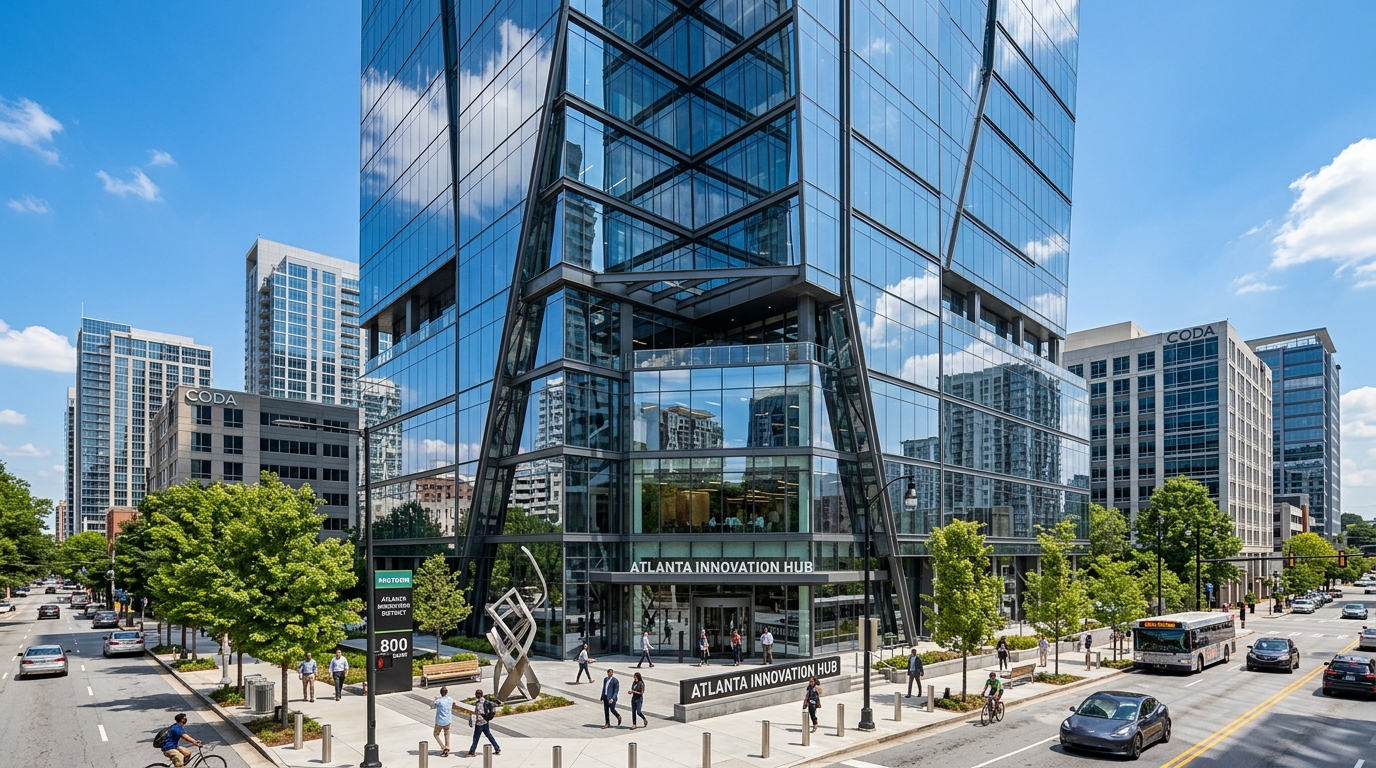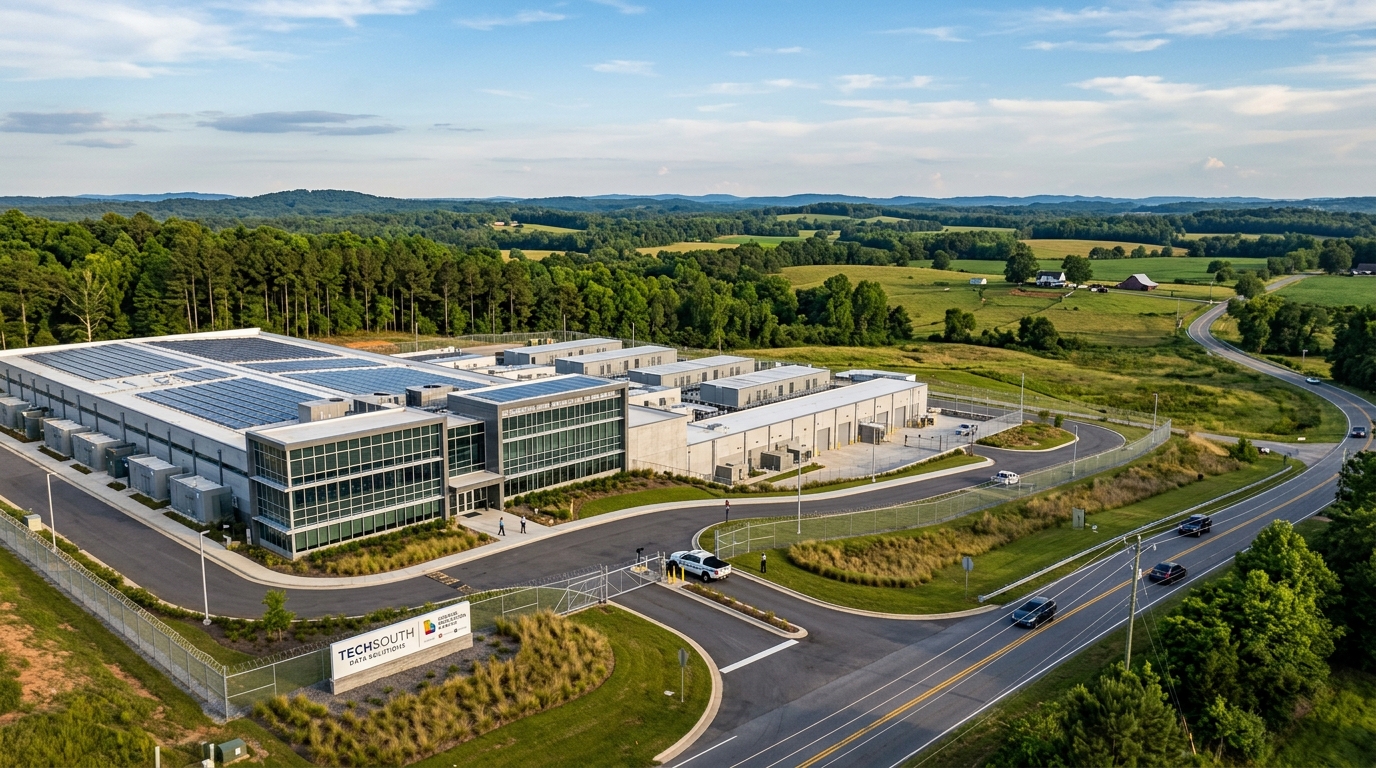

Georgia has quietly become one of the most aggressive data center markets in the United States, with a construction pipeline that now rivals — and by some measures surpasses — Northern Virginia’s long-standing dominance. The explosion is driven by surging demand for artificial intelligence infrastructure and cloud computing capacity, and it is reshaping the state’s economy in ways that extend far beyond the tech sector.
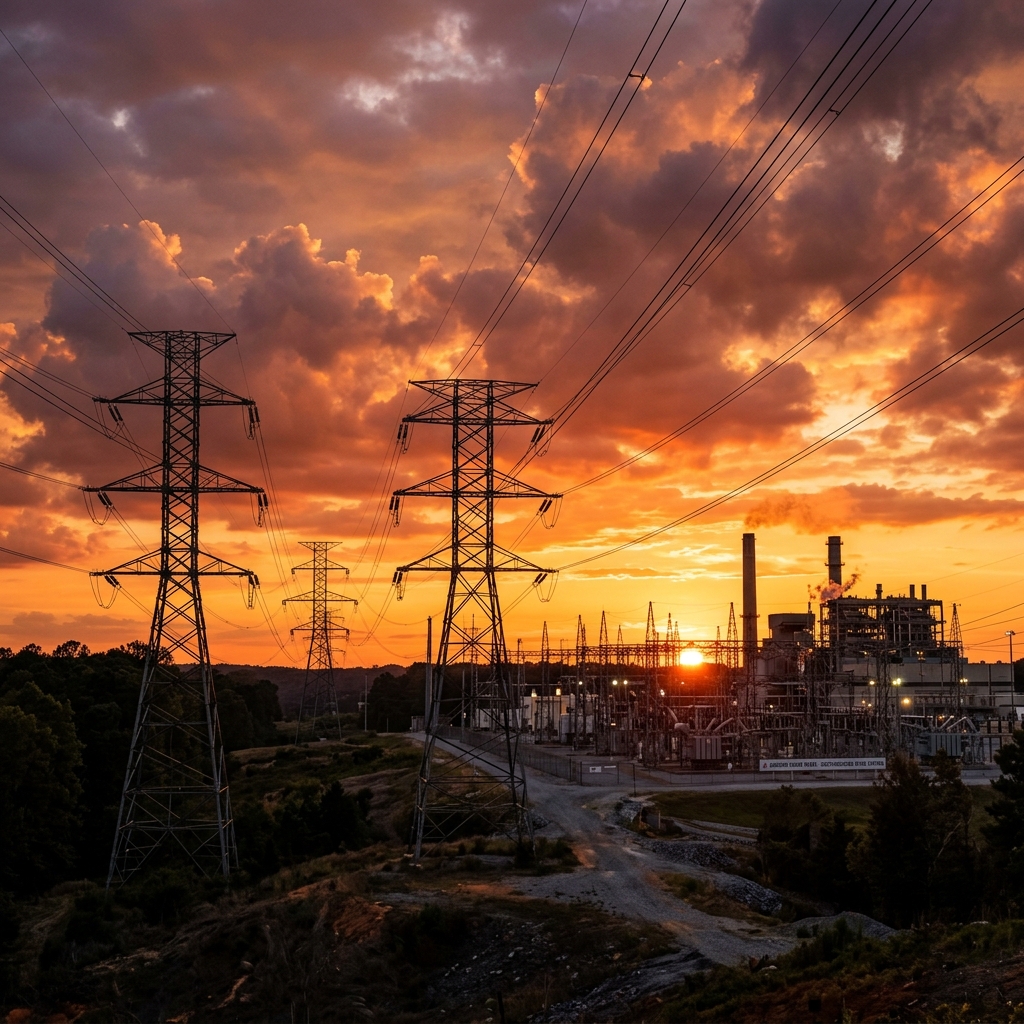
But the growth comes with a significant cost: an increasingly strained power grid that is forcing utilities, regulators, and local governments to confront hard questions about energy infrastructure, environmental impact, and who pays for the build-out.
The Scale of the Boom
By early 2026, Georgia had attracted billions of dollars in data center investment, with major facilities either under construction or in advanced permitting stages across a corridor stretching from metro Atlanta through Newton, Jasper, Morgan, and Walton counties. Industry analysts estimate that Georgia now accounts for a significant share of new U.S. data center capacity coming online this year.
The state has surpassed Northern Virginia in some key development metrics, including the pace of new campus announcements and the total acreage under active development. While Northern Virginia still leads in total operational capacity, Georgia’s growth rate has caught the attention of global hyperscale operators, including major cloud providers and AI companies racing to secure GPU-dense compute resources.
Why Georgia?
Several factors have made Georgia attractive to data center developers. The state offers relatively low electricity costs through Georgia Power, a favorable tax climate that includes sales tax exemptions for qualifying data center equipment, and a deep pool of available land in counties eager for economic development.
Georgia’s position as a fiber optic hub — a legacy of Atlanta’s role as a major telecommunications crossroads — also provides the high-bandwidth connectivity that data centers require. And the state’s comparatively mild seismic and severe weather risk profile adds another layer of appeal for operators managing billions of dollars in hardware.
The Power Grid Problem
The most pressing concern is electricity. Data centers are extraordinarily power-hungry, and the facilities now planned or under construction in Georgia will require thousands of additional megawatts of generation capacity — an increase that Georgia Power’s existing infrastructure was not designed to support.
Georgia Power has already filed plans with the Georgia Public Service Commission to expand its generation portfolio, including proposals for new natural gas plants and expanded renewable energy procurement. The utility has also signaled that transmission line upgrades will be necessary in several counties where data center clusters are concentrating.
Critics, including environmental advocacy groups and some ratepayer organizations, argue that residential and small-business customers could end up subsidizing the infrastructure upgrades needed to serve data centers. They point to rate cases in other states where utilities have sought to spread grid expansion costs across all customers rather than assigning them directly to the large industrial users driving the demand.
Economic Impact
The economic upside is substantial. Data center construction generates thousands of temporary construction jobs, and operational facilities employ specialized technicians, engineers, and security personnel. County governments in the development corridor are projecting significant increases in property tax revenue, and some have used the prospect of data center investment to justify road improvements and water system upgrades.
State officials have promoted Georgia’s data center growth as evidence of a diversifying economy that is no longer solely dependent on logistics, film production, and agriculture. The tech infrastructure sector, they argue, positions Georgia as a long-term player in the AI economy.
What’s at Stake
The tension between economic opportunity and infrastructure strain is likely to define Georgia’s data center policy debate for years. The state must balance its eagerness to attract investment with the reality that power generation, transmission, and grid reliability are finite resources that require careful planning.
For now, the cranes keep going up — and the power bills are still being calculated.
Devon Patterson covers investigations for WACN 21 News. Reach him at dpatterson@wacn21.com.