The Georgia Public Service Commission is set to hold final hearings this week on Georgia Power’s request to approve nearly 10,000 megawatts of new electricity generation capacity — a build-out that, if approved at full size, would amount to roughly five Hoover Dams’ worth of new power and would reshape residential electricity bills across the state for the next two decades.
The request, which the utility argues is needed for reliability and economic growth, will likely come to a final vote later this month, after commissioners hear from environmental advocates, Georgia Power, and commission staff — the last of which is recommending the panel sign off on only about a third of what the company has requested.
What’s at stake
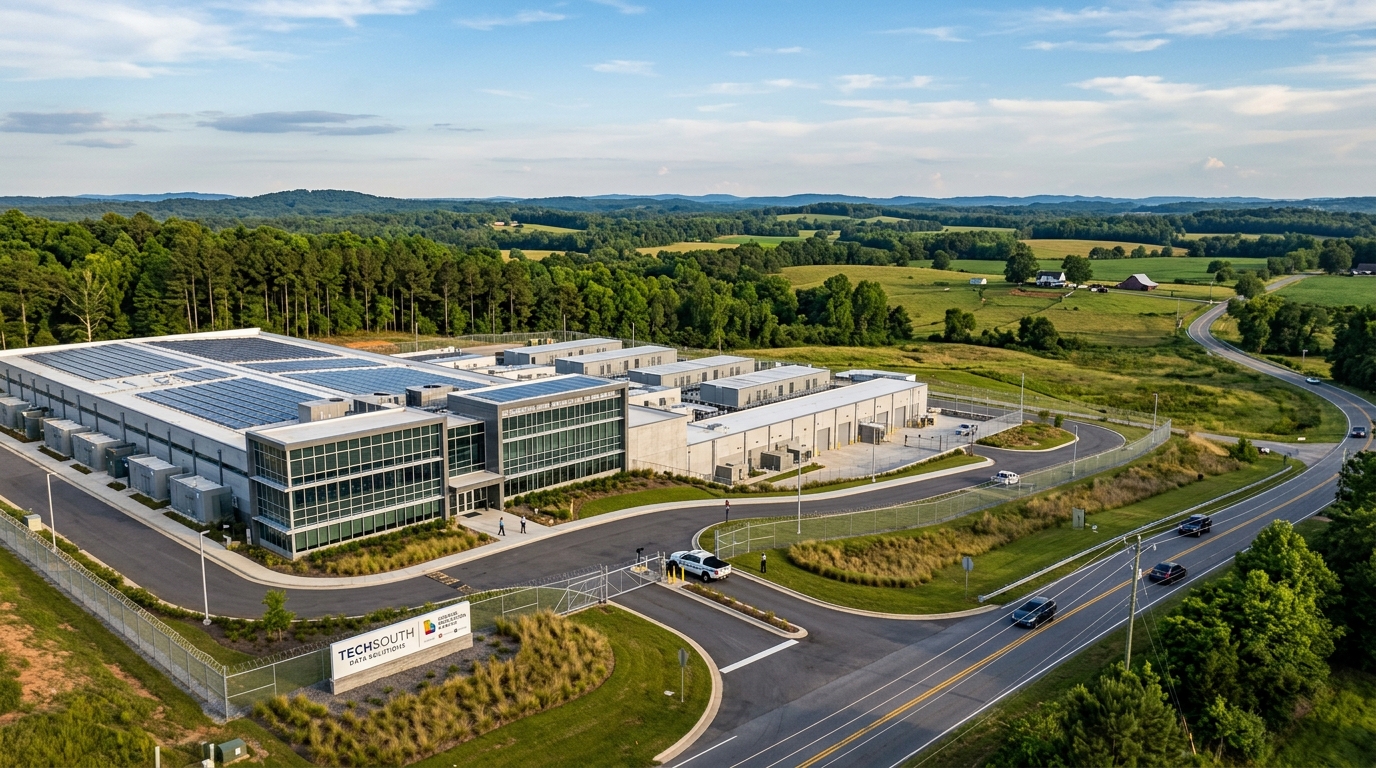
The data-center boom has hit Georgia harder than almost any state. According to a national load-growth forecast published this fall, Georgia Power has revised its five-year peak-demand projection up by 45%, the largest such revision for any utility in the country outside of Texas. The state’s grid operator has logged more than 60 gigawatts of new data-center interconnection requests since 2023 — most of them concentrated in Forsyth, Cherokee, and Douglas counties north and west of Atlanta.
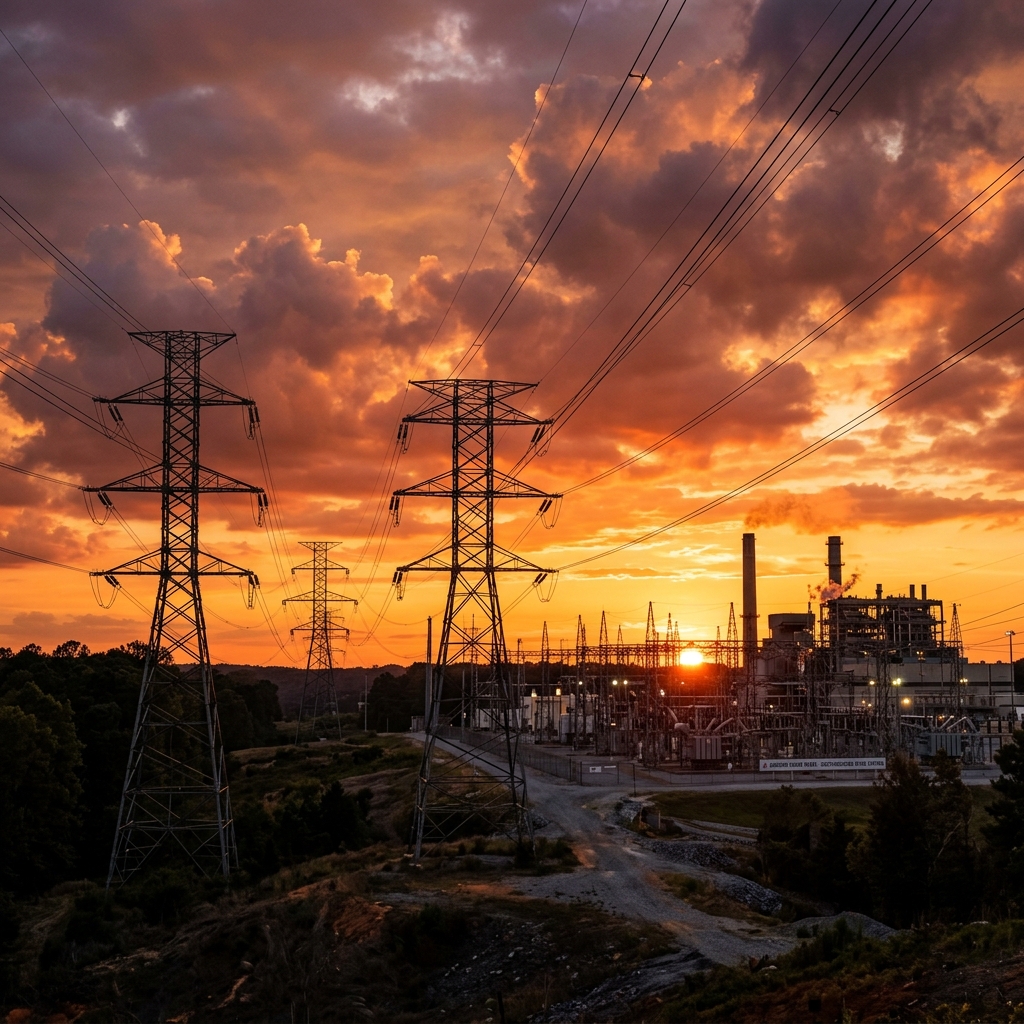
To serve that load, Georgia Power has proposed building or buying roughly 9,800 megawatts of new generating capacity over the next seven years, including:
- Two new combined-cycle natural-gas plants
- Several smaller combustion-turbine “peaker” plants
- Battery storage at multiple sites
- About 2,500 megawatts of new solar and other renewables, most of it purchased from third-party developers
- Long-term power purchase agreements with out-of-state generators
The total capital cost is estimated at roughly $15 billion, the largest single utility build-out in Georgia history. Under the company’s proposal, the costs would be recovered through rates, although Georgia Power has proposed a separate “large-load tariff” under which the largest data-center customers would pay a share of grid-upgrade costs.
What PSC staff are recommending
In new written testimony filed last month, PSC staff delivered a stark warning: if the commission approves the full request, Georgia Power residential customers could see monthly bills jump $20 or more within five years, even after adjusting for inflation.
Instead, staff recommend the commission approve only about a third of the new power plants and batteries the company has proposed, with the rest reviewed case-by-case as actual load materializes.
“I think this is the largest single request in terms of how much power they want to build and buy — and how expensive it is — in the history of the state.”
— Bob Sherrier, a staff attorney with the Southern Environmental Law Center
What Georgia Power says
Georgia Power has publicly pushed back on the $20 monthly-bill figure, calling it “flatly incorrect” in a company statement last month. The utility argues that its own rate-impact analysis shows a much smaller increase, and that staff’s modeling assumes a more pessimistic data-center build-out than the company expects.
The utility also notes that it has already negotiated long-term contracts with several large data-center customers that would share the cost of grid upgrades, which would partially insulate residential customers.
What environmental advocates say
The Southern Environmental Law Center, which represents environmental groups in the case, has endorsed the staff compromise. The center argues that approving the full request would expose customers to “more potential bill increases, especially if the expected surge in data centers fizzles.”
“The compromise proposed by commission staff could help limit the risk that costs associated with building energy infrastructure are passed on to customers if demand from data centers doesn’t fully materialize.”
— Bob Sherrier, Southern Environmental Law Center
Environmental groups have also raised concerns about the gas-plant share of the proposed build-out, noting that locking in 20-plus years of new natural-gas generation now makes it harder for Georgia to meet the emissions targets the state adopted in 2024.
What’s next
The five-member PSC is expected to vote on Georgia Power’s request at its December 18 meeting. A final order is expected by mid-January.
Whatever the commission decides, the case is the most consequential utility-rate proceeding in Georgia in more than a decade — and the first major test of whether the state can grow its data-center economy without passing the costs on to residential customers.
Aisha Bell covers the Atlanta economy, energy, and infrastructure for WACN 21. Reach her at abell@wacn21.com.