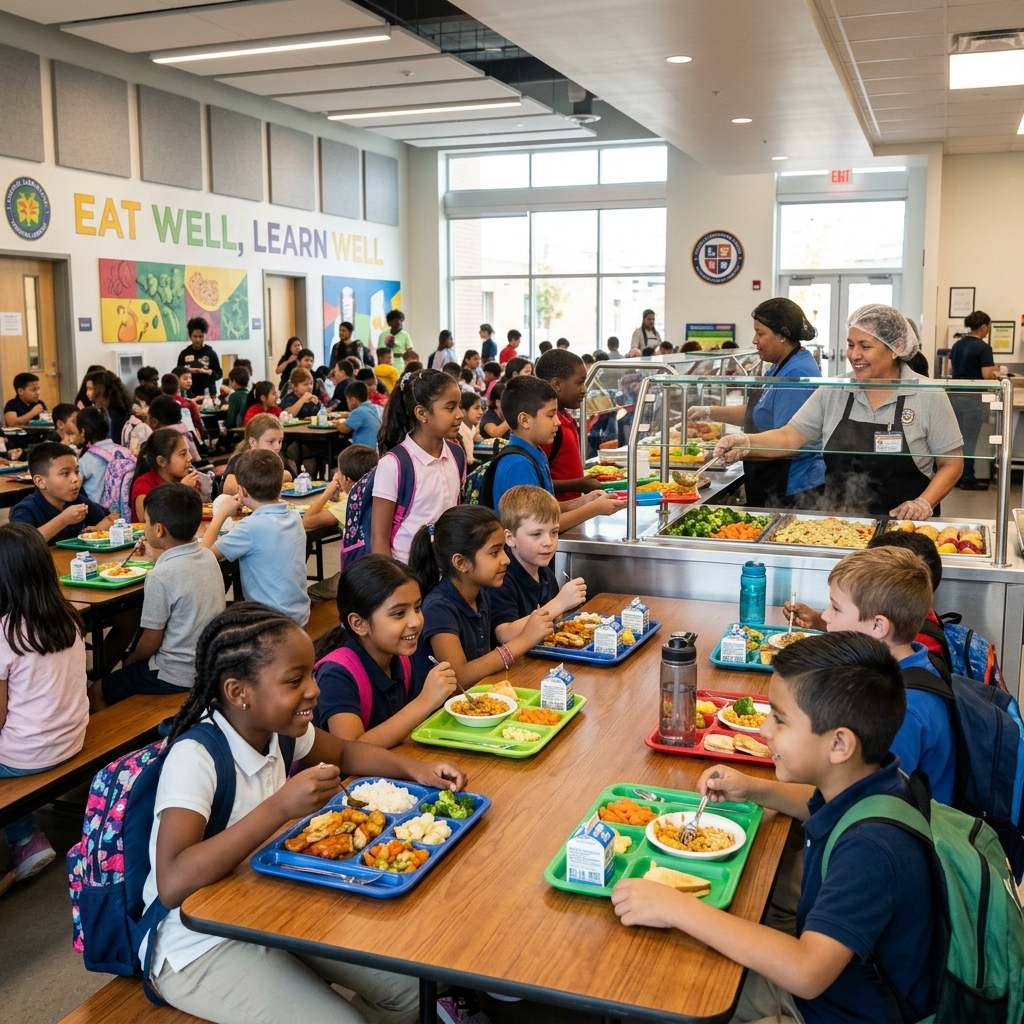

ATLANTA — A district plan to shrink Atlanta Public Schools’ physical footprint is colliding with a hard equity question: who loses a neighborhood school when enrollment falls and budgets tighten.
Atlanta News First Investigates reported Wednesday that APS is proposing to close 16 campuses, citing lower enrollment and higher operating costs. The station’s analysis found the shutdowns would fall disproportionately on Black and lower-income communities, especially in southeast Atlanta — a pattern neighborhood leaders say is not accidental.
The campuses on the list
ANF published the district’s closure roster, which includes Cleveland Elementary, Continental Colony Elementary, Douglass High School 9th Campus, Dunbar Elementary, F. L. Stanton Elementary, Finch Elementary, Jackson Primary Elementary, KIPP Soul Academy, Perkerson Elementary, Peyton Forest Elementary, Scott Elementary, Smith Intermediate Elementary, Sylvan Middle School, Toomer Elementary Annex, and Usher-Collier Elementary.
Most of the proposed closures sit south and southeast of the city’s economic spine. KIPP Soul Academy already stopped operating this week after holding final classes last school year.
What the neighborhood data shows
ANF’s mapping exercise put concrete demographics next to specific campuses. F. L. Stanton Elementary sits in a neighborhood that is 73 percent Black, with a median household income around $42,000 and roughly 32 percent of residents below the poverty line. About 19 percent of families near Dunbar Elementary live below the poverty line. At Continental Colony Elementary, Black families make up about 93 percent of the surrounding area.
City of Atlanta research published this year has already documented income, education, and life-expectancy gaps dividing northwest and southeast Atlanta. Critics of the APS list say the closure map tracks that same divide rather than spreading hardship citywide.
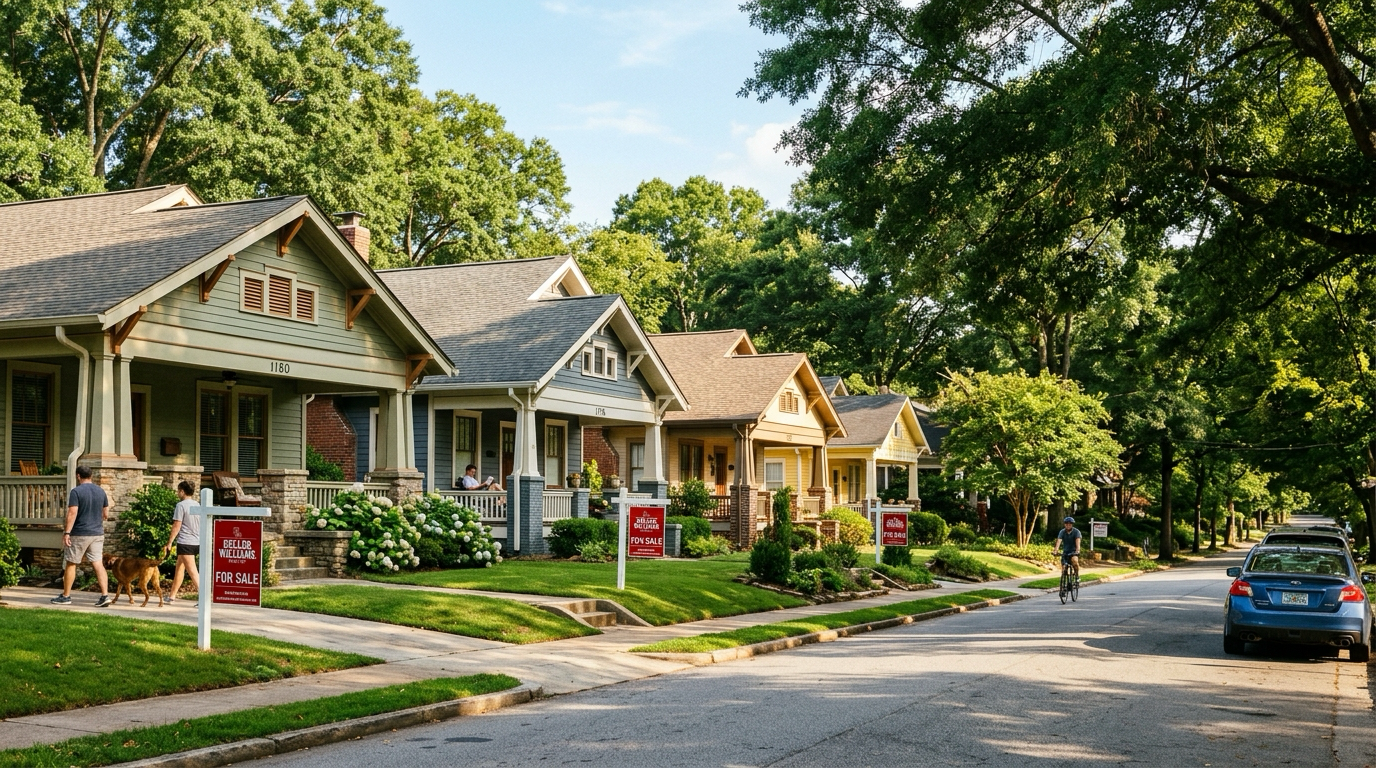
David Holder, president of the Mechanicsville Neighborhood Association, told ANF he has written board members more than a dozen times opposing Dunbar’s closure. He said parents already struggle with bus access and enrollment, and that kids who miss a bus after a forced transfer may simply not make it to school. Holder also argued the district is not targeting Buckhead, Grant Park, or Reynoldstown in the same way — a claim that frames the fight as geography and race, not only empty seats.
Advocates: “two systems in one”
Education equity advocates Sherry Williams and Ed Johnson told ANF that APS leadership is failing vulnerable students while protecting wealthier zip codes. Johnson described the district as “two systems in one” and said APS is not exploring how to right-size building infrastructure at lower-enrollment campuses instead of closing them. Williams said kids should not face one standard north of I-20 and another south of it.
APS declined an on-camera interview. In written framing, the district said several campuses would be “repurposed” as community hubs for early learning, workforce development, food access, and related services. Advocates countered that those services can share campuses without ending school operations.
The money argument — and the skepticism
APS said district enrollment peaked at 54,504 students over the last decade and fell to 49,944 by last year. Closing the 16 campuses could save up to $25 million annually, the district said, with another $65 million in longer-run savings.
Max Altman, director of research and policy at the Southern Education Foundation, told ANF those projections deserve scrutiny. Foundation research, he said, often finds school closures do not deliver the efficiency or savings districts expect. Altman also pointed to Georgia’s school-choice voucher pathway for families leaving lower-performing public schools as a structural drain on public enrollment and budgets.
What comes next
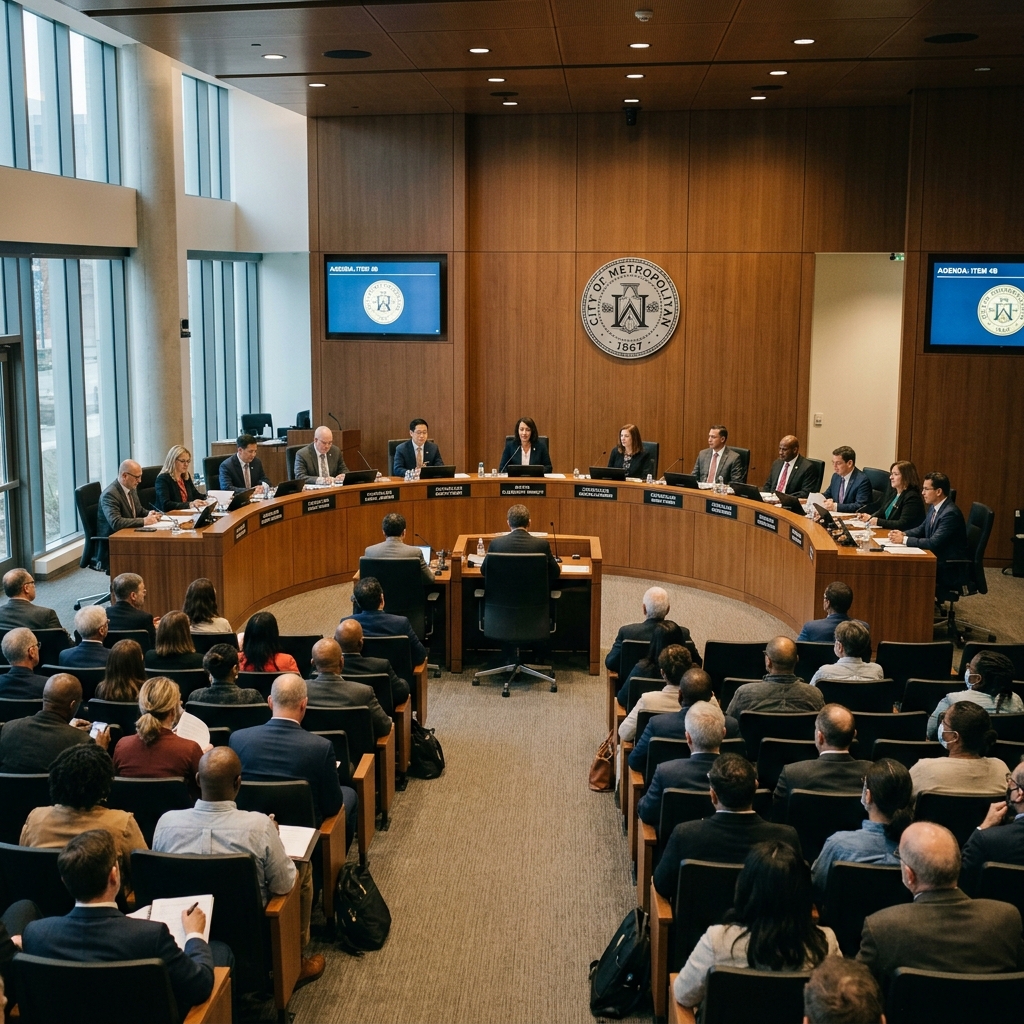
Advocates told ANF they plan to pack upcoming APS board meetings and press the district to reverse course. Holder’s ask was simpler: board members and the superintendent should work with communities instead of around them.
For metro readers, the durable facts are the 16-campus list, the concentration in Black and lower-income southeast neighborhoods, the district’s enrollment and savings claims, and a live political fight over whether “repurposing” is a community investment or a polite word for abandoning schools.