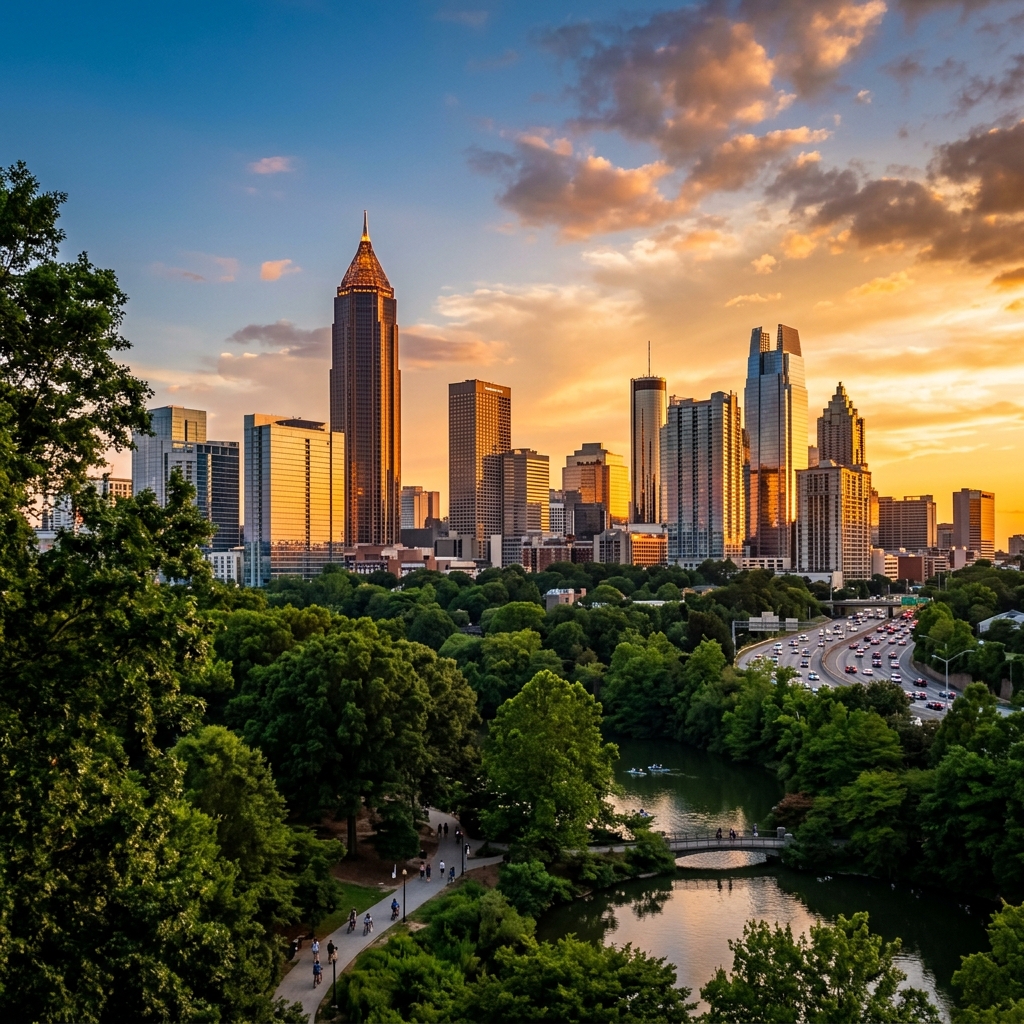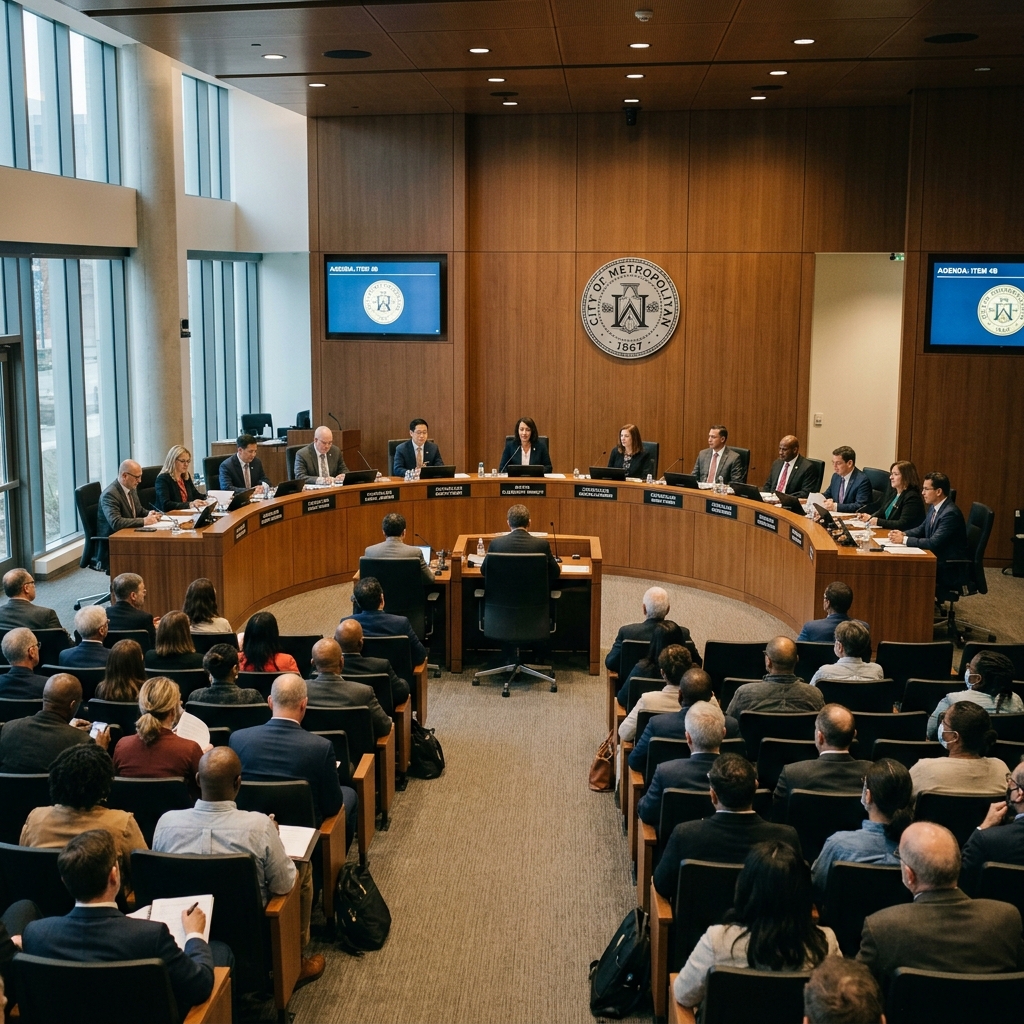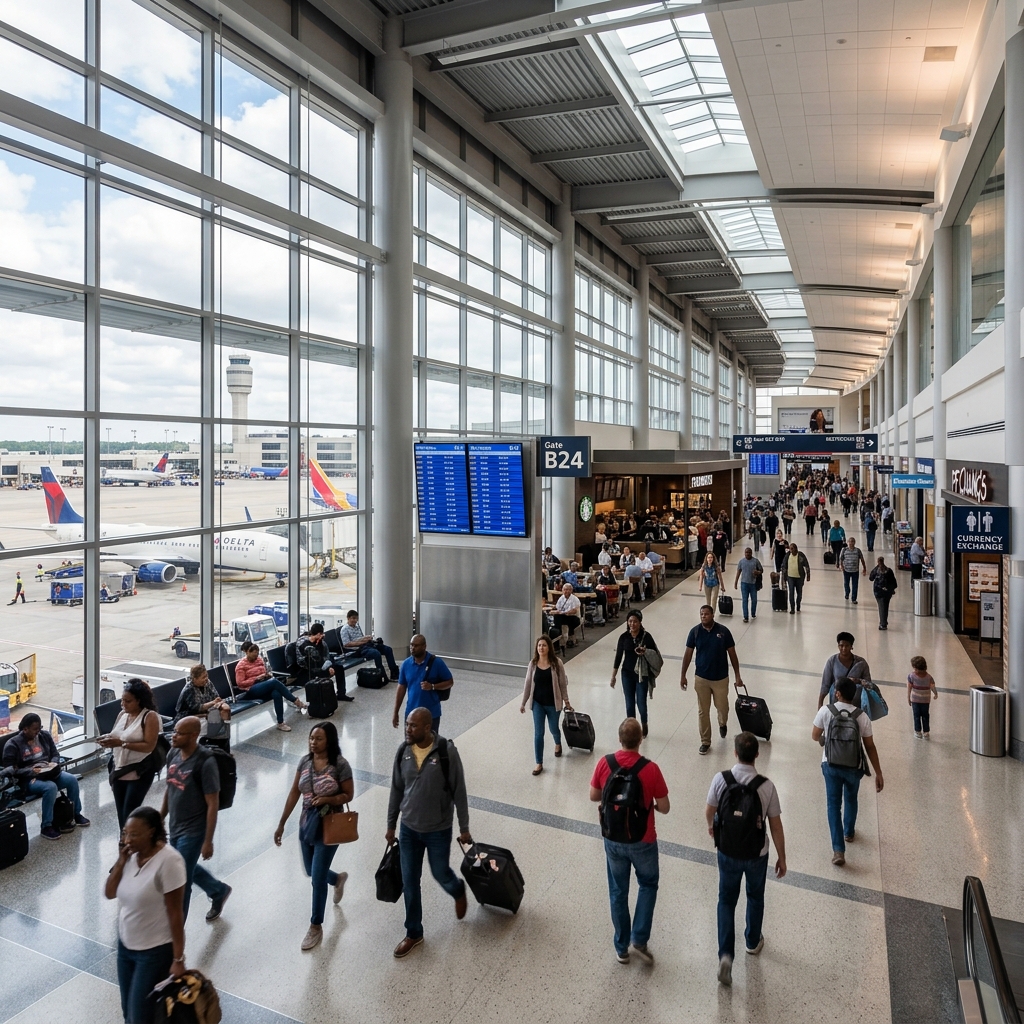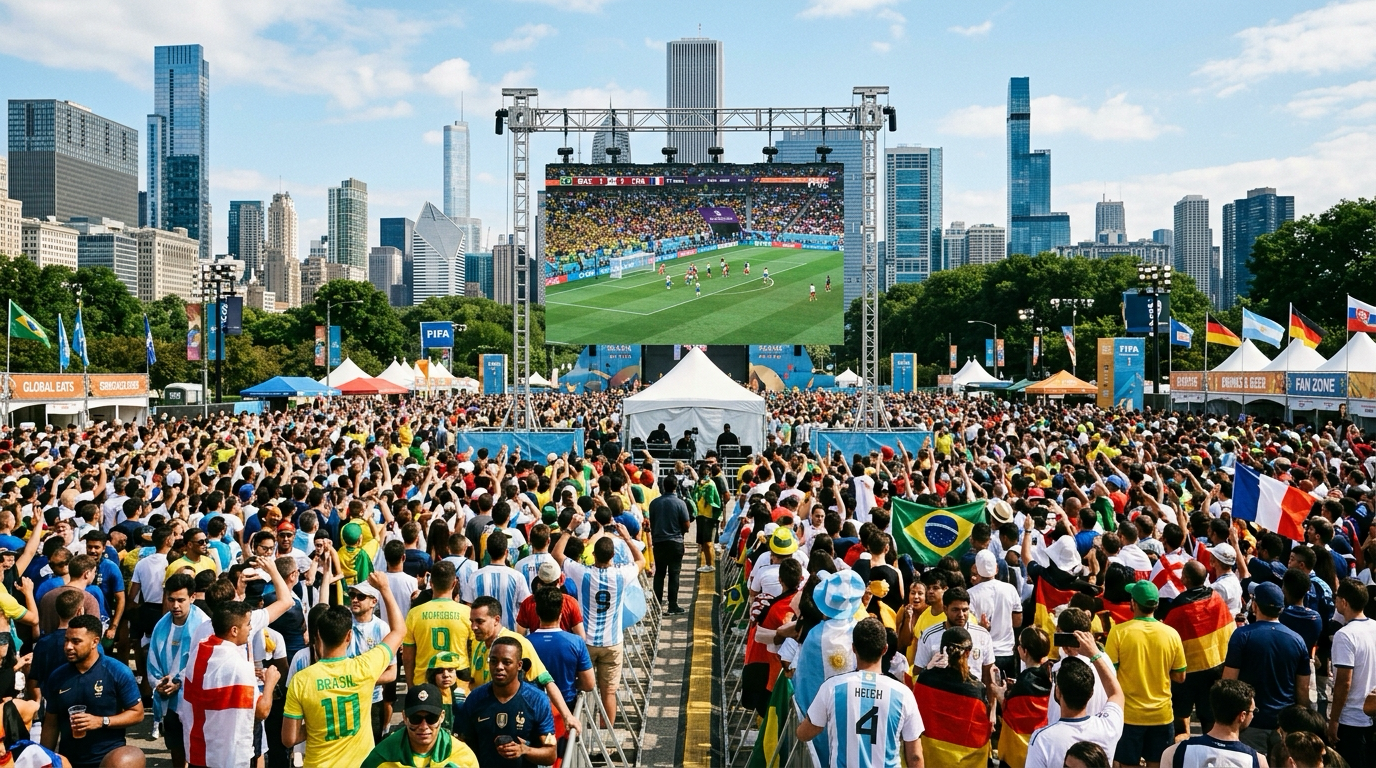

Mayor Andre Dickens said Atlanta’s first turn hosting the FIFA World Cup was a fiscal win for the city, telling Atlanta News First in a Monday interview that the $52 million in costs the city absorbed to stage eight matches and ancillary programming will be fully covered by FIFA and federal reimbursements.
The interview, posted Monday afternoon, came as Atlanta Business Chronicle reported that the city’s hosting role had generated roughly 39 site-selection meetings with an estimated economic impact of about $1.5 billion tied to the visibility of the tournament.
The $52M question
Dickens’s framing centered on a simple proposition: Atlanta fronted the hosting costs up front and will be made whole. FIFA, under the terms of the host city agreement, reimbursed a fixed share, with the federal government covering security and certain public-safety expenses through a separate grant process.
“The dollar that we put up is going to be paid back,” Dickens told the Atlanta News First interviewer. He added that any surplus — and the city has indicated one is likely given early hotel-tax and sales-tax data — would be directed to infrastructure projects tied to the World Cup hosting footprint.
What the projections say
The Metro Atlanta Chamber, which led the local organizing push alongside the Atlanta Sports Council, projected before the tournament that the city and state would see more than $503 million in economic activity across Georgia tied to the matches Atlanta hosted. An Emory University study circulated during the tournament put the broader Georgia impact in a similar range.
Neither number is final. Independent after-action accounting typically takes 90 to 120 days to complete, and final tallies will not be public until fall. But the early data — hotel occupancy, restaurant revenue at host venues, and MARTA’s 1.7 million World Cup-period riders — have tracked ahead of projections.
What it means going forward
The mayor used the interview to make a soft pitch that Atlanta should host the 2028 or 2030 men’s World Cup matches, or a 2027 women’s World Cup slate, depending on where FIFA lands on the calendar. He also pointed to Atlanta’s readiness for the 2026 College Football Playoff National Championship at Mercedes-Benz Stadium in January and the 2028 men’s Final Four as a sequencing argument: the city has the infrastructure, the hotels, and the demonstrated ability to handle a multi-week international event.
The line Atlanta Business Chronicle reported — “about 39 meetings with an estimated economic impact of $1.5 billion” — refers to business and site-selection conversations held during the tournament window with executives who came to Atlanta for matches. That figure is separate from the projected consumer-side impact and reflects the longer-tail value of putting the city in front of international decision-makers.
What Dickens did not address
The interview did not detail whether any displaced resident impact funds are planned for neighborhoods adjacent to Mercedes-Benz Stadium that experienced noise, traffic, and access restrictions during tournament days. The city has previously indicated that a community-benefit process tied to Centennial Yards redevelopment would include such provisions, but the World Cup-specific component has not been announced.
Dickens also did not weigh in on the Summerhill Olympic cauldron debate, which remains the most visible legacy-of-hosting argument in the city. Residents and businesses are organizing against a Georgia State University proposal to relocate the 1996 Olympic cauldron to Centennial Olympic Park; that decision sits with the Georgia State Board of Regents and is not under the mayor’s direct authority.