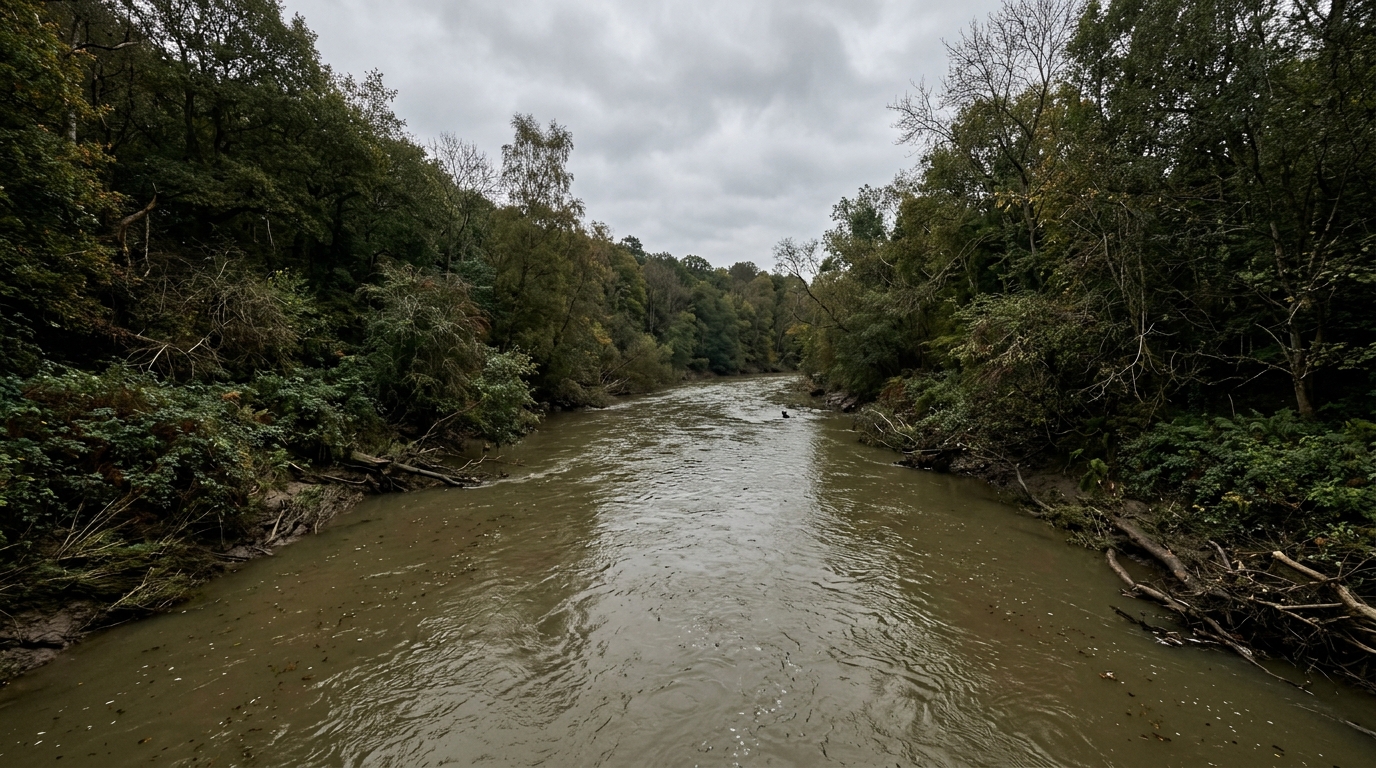

A significant fish kill in the Chattahoochee River has prompted a joint investigation by the City of Atlanta and state environmental agencies, with officials pointing to severe storm runoff from May 20 as the likely trigger.
Residents along the river south of Peachtree Creek began reporting dead fish on the morning of May 21 — bloated carcasses of bream, catfish, and shad collecting along muddy banks and pooling in shallow eddies. By midday, the Georgia Department of Natural Resources had dispatched field teams to collect water samples and document the extent of the die-off.
What Happened
The May 20 storm dumped more than three inches of rain across metro Atlanta in under two hours, overwhelming aging stormwater infrastructure along Peachtree Creek. Officials say the deluge likely forced a combination of untreated stormwater and sewage overflow into the creek, which feeds directly into the Chattahoochee.
The resulting surge of pollutants — including elevated levels of bacteria, sediment, and nutrient runoff — is believed to have depleted dissolved oxygen in a stretch of the river downstream of the confluence, creating conditions lethal to aquatic life.
City officials confirmed they are aware of the event and are cooperating fully with state and federal investigators. A representative from the City of Atlanta’s Department of Watershed Management stated that crews were deployed immediately after the storm to assess infrastructure performance and that monitoring of affected waterways is ongoing.
A Recurring Problem
Environmental advocates say the fish kill is the latest symptom of a long-standing infrastructure problem.
Atlanta’s combined sewer system — portions of which date back more than a century — is designed to carry both sewage and stormwater in the same pipes. During heavy rain events, the system can exceed capacity, resulting in combined sewer overflows (CSOs) that discharge partially treated or untreated wastewater into local waterways.
The city has invested billions of dollars over the past two decades to reduce CSO events under a federal consent decree, but advocates argue that the pace of upgrades has not kept up with increasingly intense storms driven by climate change.
- Infrastructure age: Some sewer lines in the Peachtree Creek watershed are more than 80 years old.
- Consent decree progress: The city has completed several major tunnel and storage projects but acknowledges that additional work remains.
- Storm intensity: Climate data shows that heavy rainfall events in the Southeast have increased in both frequency and severity over the past 30 years.
Why It Matters
The Chattahoochee River is far more than a scenic backdrop for metro Atlanta. It serves as the primary drinking water source for more than 5 million people across the region and supports a fragile ecosystem of freshwater mussels, migratory fish species, and wading birds.
Water quality in the Chattahoochee has improved markedly since the worst days of the 1990s, when the river was routinely listed among the nation’s most endangered waterways. But incidents like this week’s fish kill underscore how vulnerable those gains remain.
State environmental officials said preliminary water quality results are expected within 7 to 10 business days. If testing confirms sewage contamination, the city could face regulatory action, including potential fines.
What Comes Next
Officials say they are working on both short-term and long-term responses:
- Immediate monitoring: Additional water sampling stations have been set up along a five-mile stretch of the river below Peachtree Creek.
- Infrastructure review: The city has committed to an accelerated inspection of stormwater conveyance systems in the affected watershed.
- Public advisories: Residents are urged to avoid contact with river water in the affected area until further notice.
Environmental groups are calling on the city to release its CSO monitoring data from the May 20 storm and to accelerate planned upgrades to the Peachtree Creek interceptor system.
For residents who depend on the Chattahoochee — whether for drinking water, recreation, or simply the knowledge that a living river runs through their city — the stakes could not be higher.
Devon Patterson covers environment and infrastructure for WACN 21 News. Contact at dpatterson@wacn21.com.