
Cobb County School District will require all high schoolers to keep their phones in lockable pouches during the school day, starting this fall.
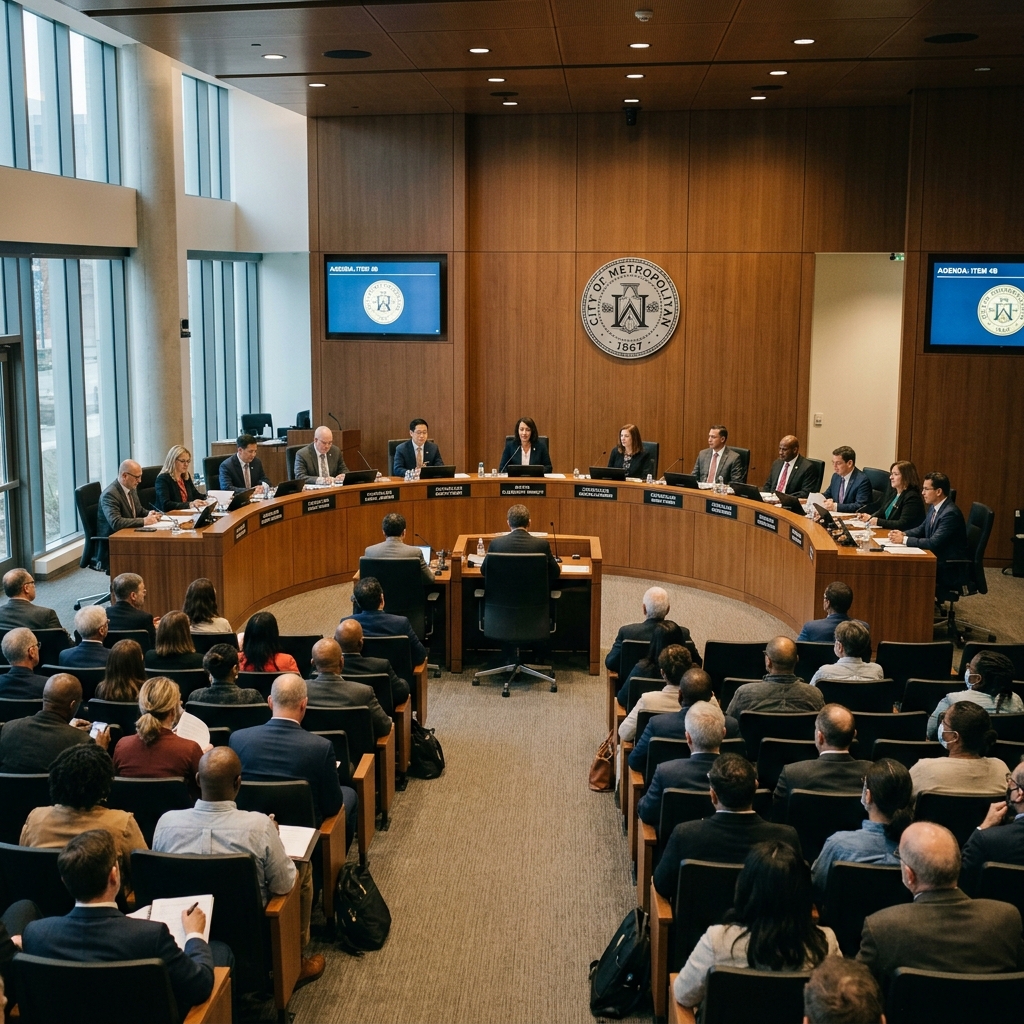
The policy, approved by the school board in a 5-2 vote Tuesday night, applies to all 6 traditional Cobb high schools and about 23,000 students. It’s modeled on a program that started in Yondr and has been adopted by districts in California, New York, and elsewhere.
How it works
At the start of each school day, students will be issued a Yondr pouch — a soft, magnetic-locking case — at a designated checkpoint. They slide their phone in, lock it, and keep the case with them. The pouch has no key — only a base-station unlocking device at the school’s front office can release the phone at the end of the day.
Students can use their phones before school, at lunch, and after school on school grounds. During class, between classes, and in restrooms, the phones stay locked.
Schools will be using the same pouch model that other districts have used. The district says the pouches cost about $20 each and have a useful life of about 3 years.
“We have a generation of kids who are growing up unable to focus for more than 90 seconds without checking their phone. That’s not a moral judgment. It’s a measurable thing. We need to fix it.”
— Cobb County Schools superintendent Chris Ragsdale
Why now
The district had been studying the issue for two years. The decision to act now was driven by:
- A 2025 Cobb County Youth Risk Behavior Survey showing that 62 percent of high schoolers reported checking their phone at least once during every class period.
- A growing body of research — including a major Stanford study released in 2024 — showing measurable academic benefits from phone-restricted schools.
- A parent survey in which 71 percent of Cobb County parents said they supported a phone-in-pocket policy.
“Parents are tired of fighting this battle at home. They want the school to set the boundary.”
— Ragsdale
What the dissenters said
The two no votes came from board members who raised concerns about emergency access and after-school activity management.
“I have a 16-year-old who walks home from school,” one of the dissenting members said. “If there’s an emergency and she needs to call me, I want her to have her phone. We can find a middle ground that doesn’t require this kind of all-day lockdown.”
The other dissenter raised concerns about after-school activities like sports and theater, which can run until 6 p.m. The current policy, as written, would require students to use the unlock station at the front office before going to after-school activities, which could create long lines.
Ragsdale said the district would work with schools to develop practical workflows for after-school activities. “We’re not trying to make this harder than it needs to be,” he said. “We’re trying to make the school day work for kids.”
Where this is going
Cobb is the second metro district to adopt a phone-in-pocket policy for high schoolers. Forsyth County Schools adopted one in 2024. Atlanta Public Schools is currently studying a similar policy, with a board vote expected in September.
If APS follows Forsyth and Cobb, the majority of metro Atlanta high schoolers would be in phone-restricted schools by the 2027-28 school year.
“This is going to become the default. The schools that don’t do it will look like outliers.”
— A high school principal in Fulton County, who asked not to be named
What parents can do now
- Talk to your student about how they’ll use the time during the day without their phone. Many students say the first week is the hardest, then it gets easier.
- Practice at home during the summer. A week of “phone-in-the-other-room” training can help with the transition.
- Check the school’s policy on after-school activities. Each school will have its own workflow for unlocking.
Kira Tomlinson covers Atlanta’s food, arts, and family scene for WACN 21. Reach her at ktomlinson@wacn21.com.