
ATLANTA — A routine Saturday hop to Central Florida became an emergency turnaround over metro Atlanta.
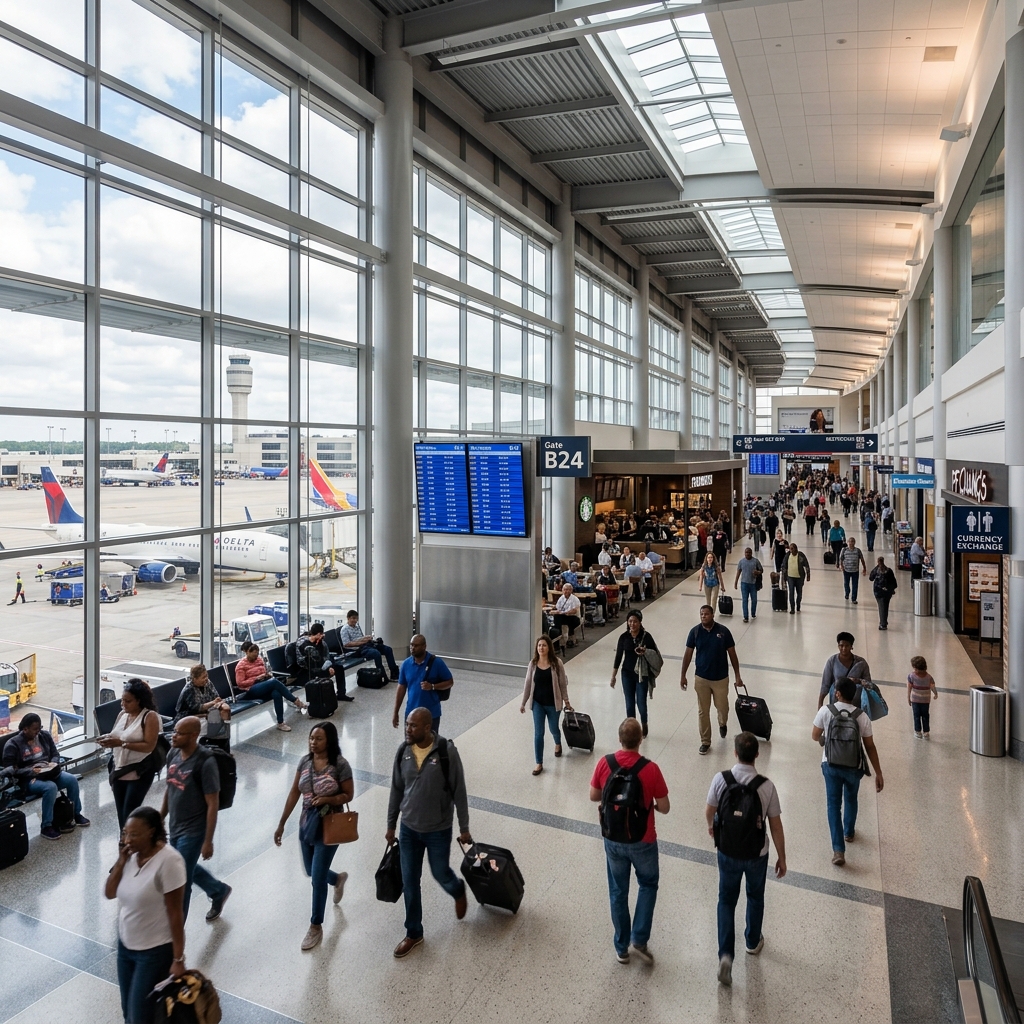
The Atlanta Journal-Constitution reported that a Delta Air Lines flight headed to Orlando returned to Hartsfield-Jackson Atlanta International Airport after fumes were reported in the cockpit. FlightAware data cited by the paper put takeoff at 7:23 a.m. and the return landing at 7:59 a.m. — a short airborne window that still left passengers walking off on emergency slides instead of a jet bridge.
What Delta confirmed
An airline spokesperson told the AJC that 199 customers and six crew members evacuated on the taxiway using slides. First responders met people on the taxiway. As of about 10:30 a.m., Delta said it was still gathering information on any reported injuries. Customers were to be rebooked on another Orlando flight.
The paper’s account stressed that the exact origin and extent of the fumes in the flight deck had not been detailed in the initial public statements. That is normal in the first hours of an aviation incident: the airline’s priority is deplaning safely, accounting for people on the ground, and isolating the aircraft for maintenance and regulatory review.
Safety messaging and next steps
Delta’s spokesperson, per the AJC, emphasized that safety is paramount and apologized for the customer experience. The aircraft was set to be evaluated by maintenance workers and aviation authorities. Public reporting identified the airframe family as Boeing equipment; detailed model, registration, and maintenance history typically emerge later through federal investigators and airline filings rather than the first-morning statement.
For travelers, the practical takeaway is simple: a morning departure that returns within the hour still can cascade into missed connections, hotel changes, and long waits for rebooking even when everyone walks away. Hartsfield-Jackson’s size helps and hurts — more alternate metal is usually available, but taxiway holds and emergency response can slow neighboring gates.
Why cockpit-fume events get attention
Fume events in cockpits and cabins draw intense public and regulatory scrutiny because crews must diagnose unusual smells while flying the airplane. Crews are trained to don oxygen, declare emergencies when needed, and land as soon as practical. Passengers often smell nothing in the cabin even when the flight deck reports an issue, which is why an airline can report “cockpit fumes” without a plane-wide smoke story.
The AJC’s Saturday coverage is a first-cut local record: clock times from flight tracking, passenger and crew counts from the carrier, rebooking intent, and the open question of injuries. It is not a final NTSB or FAA determination. Those processes move on a longer clock than a news cycle.
What metro travelers should watch
Anyone booked Atlanta–Orlando on Saturday should check the Delta app and gate agents for re-accommodation rather than assume the original flight number still exists as a later departure. People meeting arriving passengers at the Orlando side should expect delays measured in hours, not minutes.
Hartsfield-Jackson remains one of the world’s busiest airports; rare turnbacks still ripple through a morning bank. Saturday’s incident will be measured first by whether everyone got off the airplane safely — the AJC’s initial report indicates an orderly slide evacuation on the taxiway — and later by what maintenance and investigators say about the fume source.
WACN 21 will update if Delta, airport officials, or federal investigators release additional verified details on injuries, the aircraft’s next steps, or the cause of the cockpit odor.