
Few stretches of Atlanta real estate carry as much cultural weight — or generate as much friction — as Edgewood Avenue.
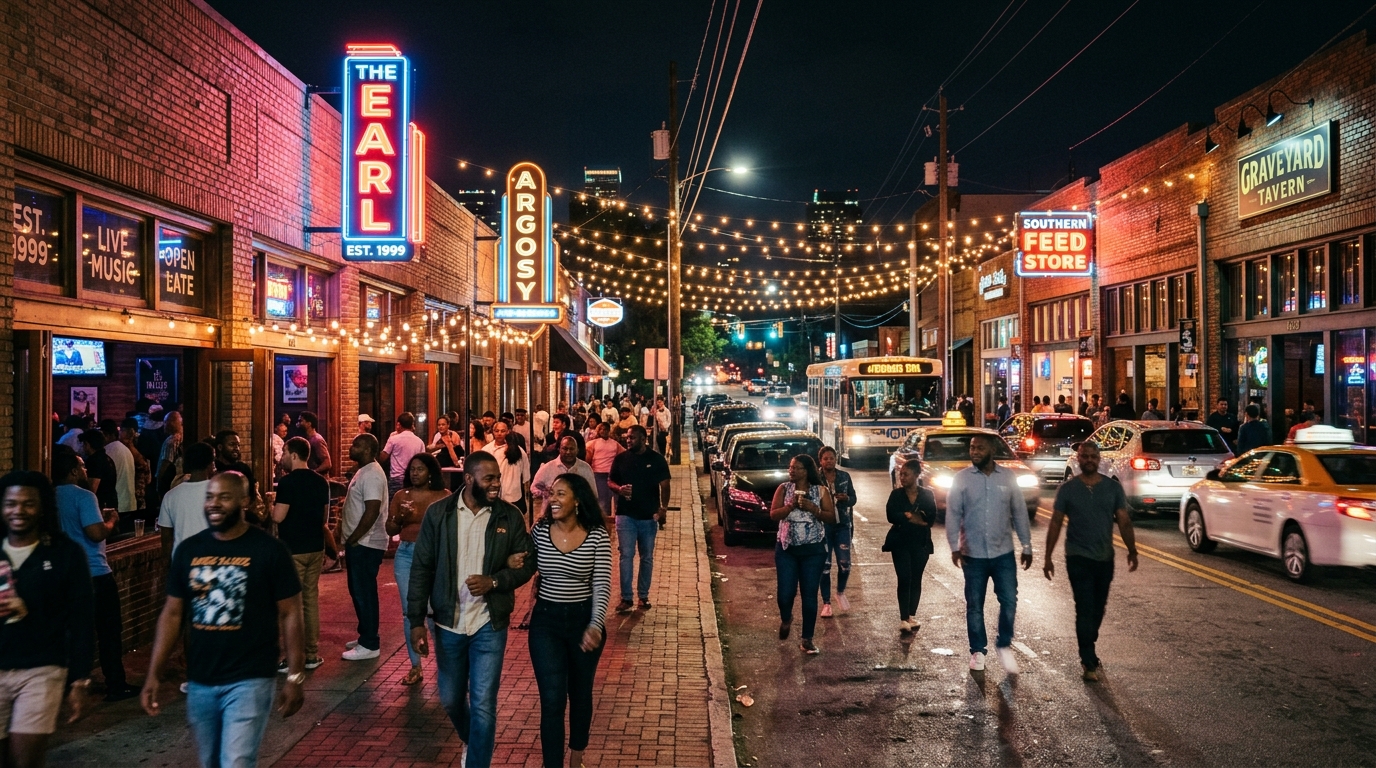
The corridor east of downtown has evolved over the past decade into one of the city’s most recognized nightlife destinations, a dense strip of bars, music venues, and late-night restaurants that draws thousands of patrons on weekend nights. It has also become a recurring flashpoint for public-safety concerns, and city leaders are now debating a set of proposals that could reshape how the avenue operates.
The Moratorium Proposal
At the center of the debate is a proposal to impose a six-month suspension on the issuance of new alcohol licenses along Edgewood Avenue and a defined surrounding area. Proponents of the moratorium argue that the density of licensed establishments has outpaced the infrastructure — policing, lighting, traffic management — needed to keep the corridor safe.
The pause would not affect existing license holders, who would continue to operate under their current permits. Instead, it would temporarily halt the approval of new bars, clubs, and restaurants seeking to serve alcohol in the designated zone, giving city planners and public-safety officials time to assess conditions and develop a longer-term regulatory framework.
Supporters of the measure say it is a measured response to a pattern of incidents that has put pressure on the Atlanta Police Department and strained relationships between nightlife operators and the residential neighborhoods that border the corridor.
Business Owners Push Back
Not everyone agrees that a licensing freeze is the right tool.
A coalition of Edgewood Avenue business owners has pushed back against the moratorium, arguing that it punishes responsible operators for problems they did not create and risks stalling economic investment in a neighborhood that has thrived precisely because of its nightlife identity.
Their counterproposal centers on two ideas:
- Enhanced police presence. Business owners have called for a dedicated Atlanta Police detail assigned to the Edgewood corridor during peak nightlife hours, arguing that visible law enforcement is a more direct deterrent than limiting the number of licensed venues.
- A nightlife ambassador program. The concept, modeled on similar initiatives in cities including New York, Amsterdam, and Washington, D.C., would create a city-appointed position responsible for mediating between nightlife businesses, residents, city agencies, and police. The ambassador would serve as a single point of coordination for issues ranging from noise complaints to crowd management to permitting questions.
Business owners say the ambassador model addresses the underlying coordination failures without the economic chill effect of a license freeze.
The Bigger Tension
The Edgewood debate is, at its core, a version of a tension playing out in nightlife districts across American cities: how to preserve the cultural and economic vitality of entertainment corridors while ensuring that the people who live, work, and visit them are safe.
Atlanta’s challenge is sharpened by the timing. With the World Cup bringing unprecedented visitor traffic to the city this summer, Edgewood Avenue is expected to see even heavier foot traffic than usual — and any safety incidents during the tournament would draw national and international attention.
Neighborhood residents have expressed a range of views. Some support the moratorium as a necessary breathing space; others worry that heavy-handed regulation will drive nightlife activity underground or into neighborhoods with even less infrastructure to manage it.
What Happens Next
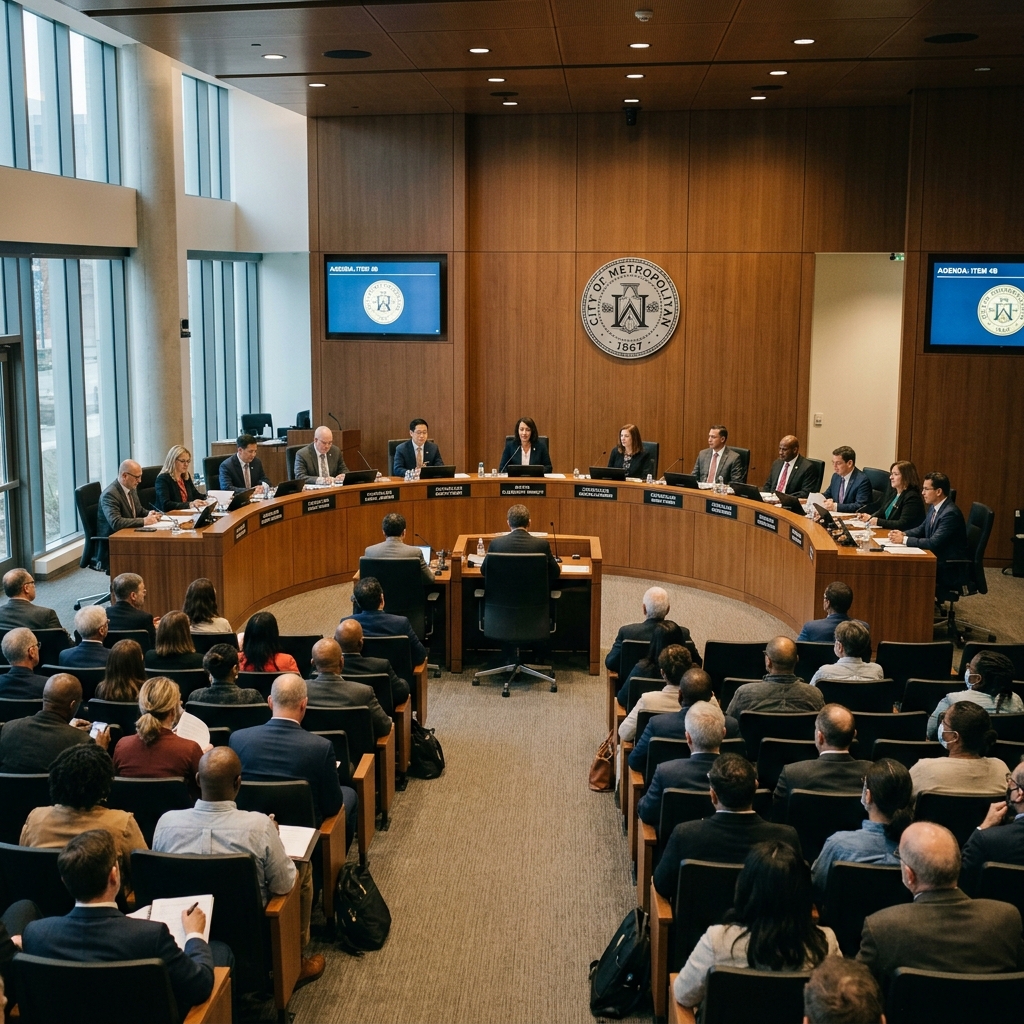
The proposals are still in the deliberation phase, with no formal vote scheduled. City Council members representing the area have held community listening sessions and said they want to hear from both business operators and residents before moving forward.
If the moratorium advances, it would require a vote of the full City Council and could face legal scrutiny from license applicants who argue that a blanket freeze amounts to an unreasonable restraint on commerce.
The nightlife ambassador concept, by contrast, could be implemented through the mayor’s office without Council action, though funding and staffing details remain unresolved.
For now, Edgewood Avenue continues to do what it has always done — draw crowds, spark debate, and force Atlanta to reckon with the complicated economics of a city that wants to be both vibrant and safe.
Samuel Okonkwo is a breaking news reporter for WACN 21 News. Reach him at sokonkwo@wacn21.com.