
When MARTA buses rolled out of their depots before dawn Saturday, they followed a map that would have been unrecognizable to drivers just 24 hours earlier.
The transit authority’s NextGen Bus Network went live on April 18, replacing virtually every route in the system in what officials are calling the most comprehensive overhaul of Atlanta’s bus service since the original network was drawn more than half a century ago.
A System Built for a Different City
MARTA’s previous bus network was largely inherited from the Atlanta Transit System and had remained structurally similar since the 1970s. Routes followed legacy corridors that in many cases no longer reflected where Atlantans live, work, and travel.
“We were running a 1970s bus network in a 2020s city,” said MARTA’s chief service planning officer during a press briefing Friday evening. “That ends tomorrow.”
The NextGen redesign, which was developed over several years of public input, ridership data analysis, and service modeling, reorganizes the system around a few core principles:
- Higher frequency on high-demand corridors — peak headways of 10 minutes or less on the busiest routes
- Simplified route structures — straighter, more direct paths that reduce winding detours
- Better connections between bus routes and rail stations
- More consistent service on evenings and weekends
What Changes for Riders
The practical impact for daily riders is significant. MARTA said the redesign puts roughly 30 percent more service hours into high-ridership corridors without a net increase in the agency’s operating budget — achieved by reallocating resources from underperforming routes.
Some key changes include:
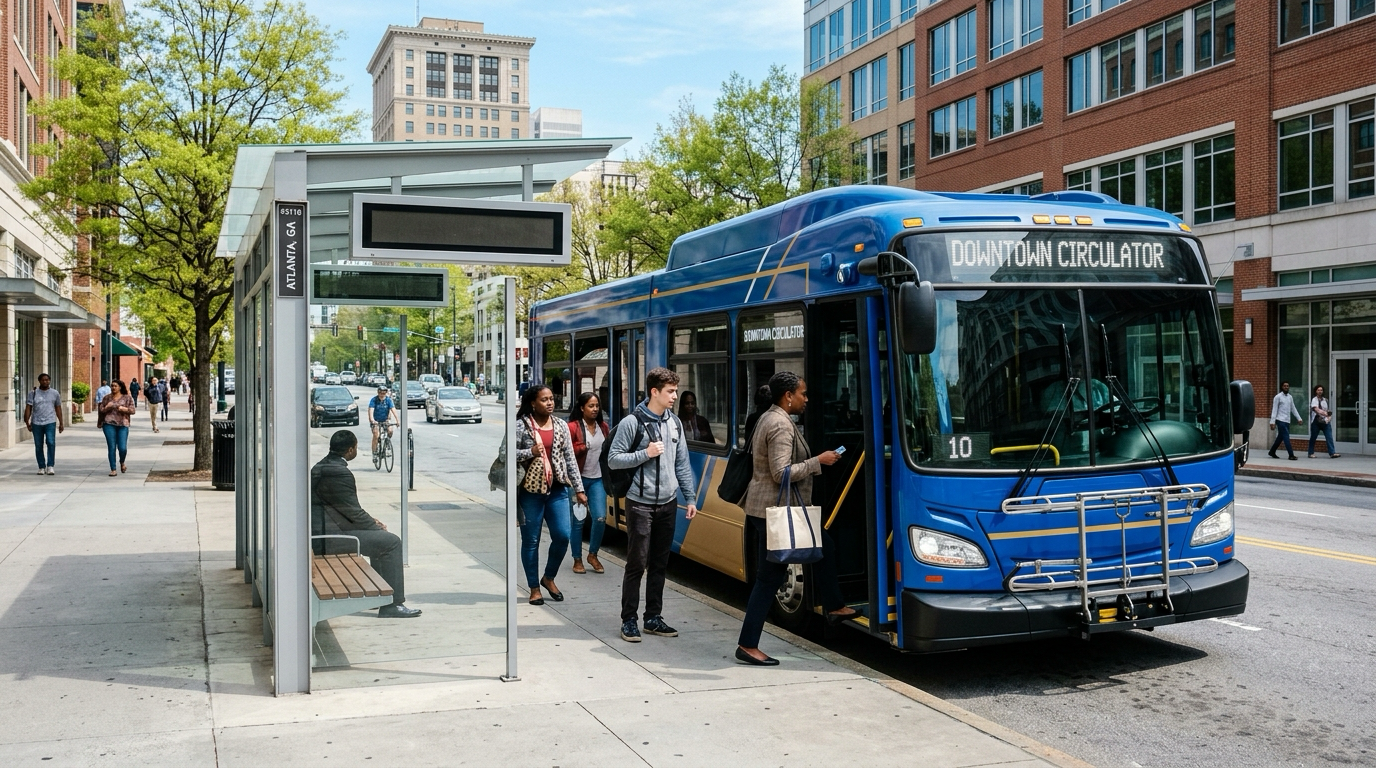
- A new high-frequency network of approximately 20 routes branded with distinct signage and real-time arrival displays at stops
- Crosstown routes connecting neighborhoods that previously required a trip through Five Points or another rail hub
- Timed transfers at key bus hubs, where routes are scheduled to connect reliably rather than leaving riders stranded between vehicles
The trade-off, officials acknowledged, is that some lower-ridership areas will see reduced or restructured service. MARTA said the agency’s new Reach on-demand microtransit program — launched in March — is designed to fill gaps in those zones.
Part of the ‘Big 6 in 26’
The bus network overhaul is a pillar of MARTA’s “Big 6 in 26” campaign, an aggressive set of six major improvements the agency committed to delivering in 2026. The Reach microtransit service launched in March, and the Better Breeze contactless fare system is expected to activate later this spring.
MARTA board chair Jennifer Ide called the NextGen rollout “the single biggest change riders will feel this year.”
Preparation and Growing Pains
The agency stationed additional staff at transit hubs and major stops throughout the weekend to help riders navigate the changes. A revamped trip-planning feature on the MARTA app and website went live simultaneously, and printed route guides were distributed at rail stations.
Still, some confusion was inevitable. At the West End Station bus bay Saturday morning, several riders said they had arrived expecting their usual route number only to find it had been replaced.
“I’ve been riding the 71 for years — now I’ve got to learn a whole new number,” said Darnell Price, 47, a Cascade Heights resident. “But if it comes more often, I can deal with that.”
An Equity Question
Transit advocates said the redesign is a step in the right direction but cautioned that the real test will be whether the promised frequencies hold up over time.
“A schedule is a promise,” said one regional transit policy analyst. “The question is whether MARTA has the operators and the budget to keep that promise six months from now.”
MARTA said it has been on a hiring push for bus operators throughout the year and currently has its lowest vacancy rate in more than three years.
The agency encouraged riders to submit feedback through its website and said it would evaluate ridership data from the first 90 days before making any further adjustments.
Elena Vasquez reports on City Hall and transportation for WACN 21 News. Reach her at evasquez@wacn21.com.