
MARTA says it carried approximately 1.7 million riders to four World Cup matches, nine FIFA Fan Festivals, and other tournament events at Atlanta sites between June 11 and the close of the group stage, a figure that underscores how central the transit system was to the city’s hosting of the world’s largest sporting event.
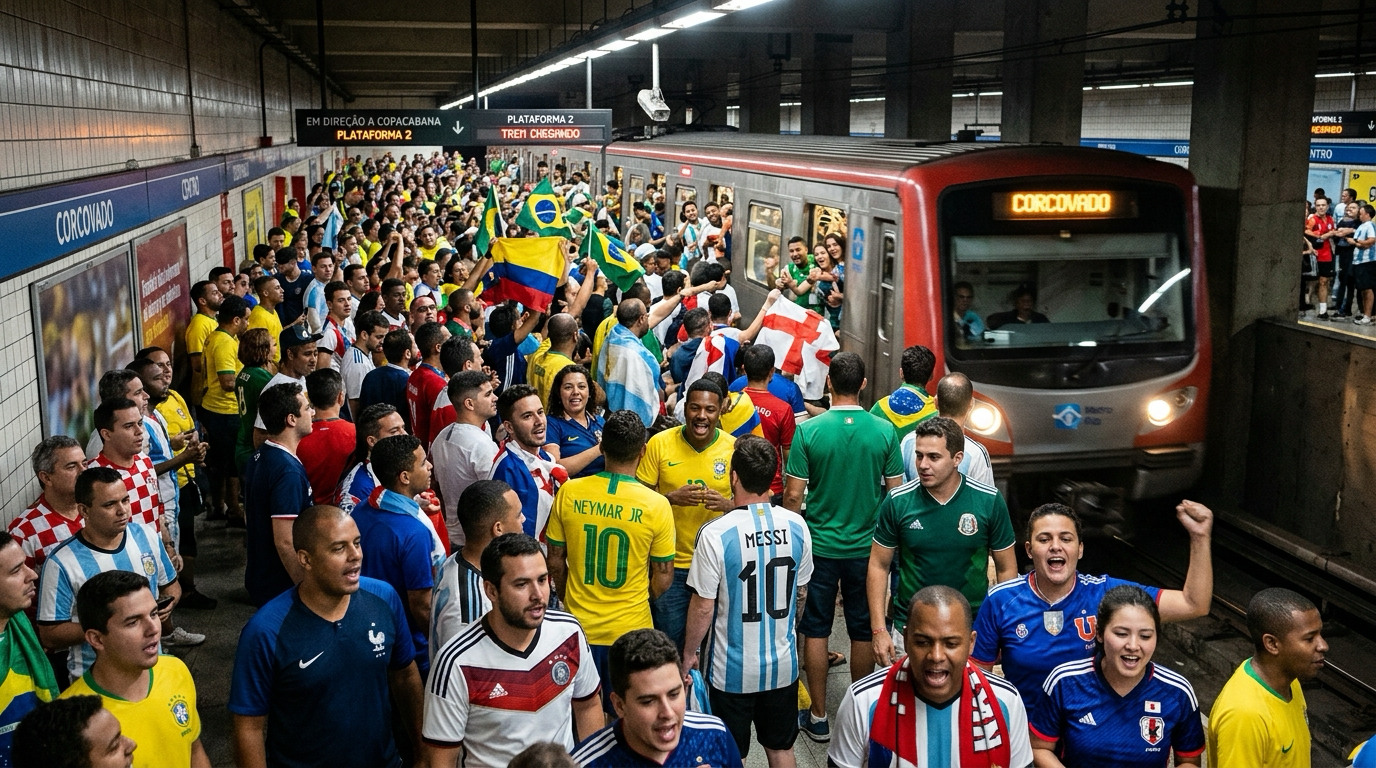
The transit authority’s busiest day of the tournament so far came on Wednesday, June 24, for the Morocco vs. Haiti group-stage match, when 220,000 rail customers rode the system — 2.3 times the number of riders seen on average weekdays.
The Atlanta Fan Festival in Centennial Olympic Park also reached full capacity that same day, according to several reports.
How the count was built
The 1.7 million figure covers trips to four World Cup matches played at Mercedes-Benz Stadium, the daily programmed FIFA Fan Festival programming at Centennial Olympic Park, and a string of additional sanctioned World Cup events around the city between the tournament’s June 11 opening and the close of Atlanta’s group-stage slate on June 27.
That counting window does not include Atlanta’s three knockout-round matches — including the England vs. Argentina semifinal on July 15 — or the Spain vs. Argentina final played Sunday at MetLife Stadium in New Jersey. With those additional matches and the wave of fan gatherings around them, the system’s tournament-period total is now substantially higher.
Transit ambassadors and police surge
MARTA also released operational data alongside the ridership count. Since the World Cup began, MARTA Transit Ambassadors have worked nearly 4,000 shifts assisting riders through the heavier-than-normal crowds.
Hundreds of MARTA police officers, augmented by law-enforcement support from Denver Transit, have run additional patrols on trains and buses, in stations and bus transfer hubs, and across MARTA parking lots systemwide.
The staffing posture reflects the unusual load on the system during tournament days. A typical weekday’s ridership is around 95,000 rail boardings; the June 24 match more than doubled that baseline, and the cumulative effect of eight tournament days with crowds above 150,000 stretched the system’s surge capacity.
What the numbers signal
The 1.7 million figure is more than a tournament-time anecdote. It is the single largest sustained surge in MARTA’s history, larger than the 1996 Olympics transit bump on a per-day basis and certainly larger than any prior event Atlanta has hosted.
For a transit system that has spent the last decade defending its ridership against post-pandemic declines and a perception that the network underperforms its peer systems in similarly sized cities, the World Cup was an unplanned stress test — and one that MARTA, by its own accounting, passed operationally.
The question for the agency’s leadership and board will be whether the World Cup volume represents a one-time event peak or a recoverable share of regular ridership that MARTA can retain after the tournament ends. Tournament-day service enhancements — added train capacity, ambassador staffing, extended hours — will roll back with the visitors. Some of the riders who discovered the system for the first time will return; many will not.
After the tournament
MARTA service information for remaining World Cup-period events remains posted on the agency’s site. The system’s regular summer schedules will resume in the days after Atlanta’s final hosting duties conclude.
For the city’s transit leadership, the next phase is communicating to riders — both longtime and new — that the system that moved 1.7 million people to soccer in two weeks is the same one available to them for daily commutes, dinners out, and weekend errands. The campaign has not yet been announced.
Source: Decaturish — 1.7 million people use MARTA in first two weeks of World Cup, July 19, 2026