
ATLANTA — A living landmark that outlasted a ballpark, a Sears warehouse era, and a shopping-center rebuild finally lost a fight with gravity on the Ponce corridor.
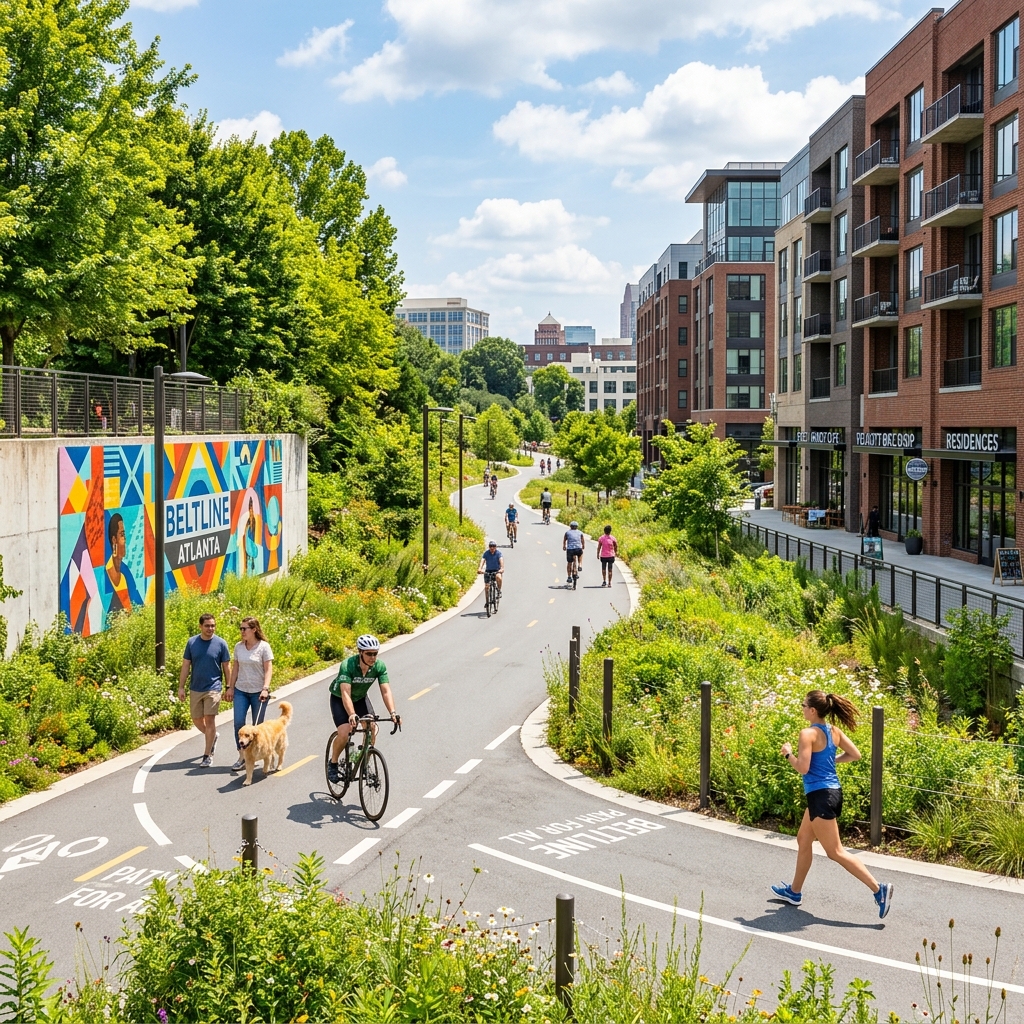
The Atlanta Journal-Constitution reported that a twin-trunk magnolia long associated with the outfield of Ponce de Leon Park — home of the minor-league Atlanta Crackers before the Braves arrived — lost one trunk. Crews removed fallen wood Monday in the hidden space behind a TJ Maxx at Midtown Place, across from Ponce City Market and below the BeltLine. Sawdust on asphalt and splintered limbs on the hillside marked the work; many passersby on the trail above could have missed it entirely.
Why this tree mattered
Greg Levine, executive director of Trees Atlanta, told the AJC he spotted the fallen magnolia Sunday while taking a back route behind Midtown Place toward Home Depot. He called it one of the city’s most historic trees and said the scene was frankly heartbreaking.
The AJC’s Thomas Lake recounted the tree’s baseball lore: before Atlanta-Fulton County Stadium and the modern Braves era, Ponce de Leon Park hosted the Crackers on ground later wiped for retail. The magnolia stood in or hard against the outfield landscape and became part of stadium lore for balls that found the branches. After the park was demolished in 1966 for a shopping center, the tree endured behind the commercial strip even as the Sears building across Ponce became Ponce City Market.
Reporting and local baseball memory associate the old grounds with barnstorming and Negro leagues-era baseball as well as Crackers seasons. The AJC piece emphasized that exact cause and timing of the trunk failure were not clear — only that one trunk fell and one remained as crews cleaned up.
What is gone and what remains
As of the AJC’s Monday field report, specialists with Arborguard Tree Specialists were on scene. One trunk survived; one did not. No city reforestation plan or memorial marker was announced in the initial coverage. The remaining trunk and stump area sit in a commercial service landscape, not a dedicated park plot, which complicates any informal pilgrimage impulse for fans who still treat the site as sacred ground.
Why it lands now
- The BeltLine and Ponce City Market put thousands of daily walkers and riders within yards of a story most only knew from old photos.
- Atlanta’s minor-league and Black baseball memory often lives in plaques and archives; living landscape features that still connect to Ponce de Leon Park are rare.
- Urban canopy loss remains a running civic theme as heat waves intensify and mature trees fail under storm, root, or structural stress.
No criminal investigation or city tree-ordinance fight is attached to the fall in the published reporting. The public record for now is simpler and sadder: a landmark trunk came down, Trees Atlanta named its historic weight, and Monday’s chipper finished what decades of redevelopment never quite erased.