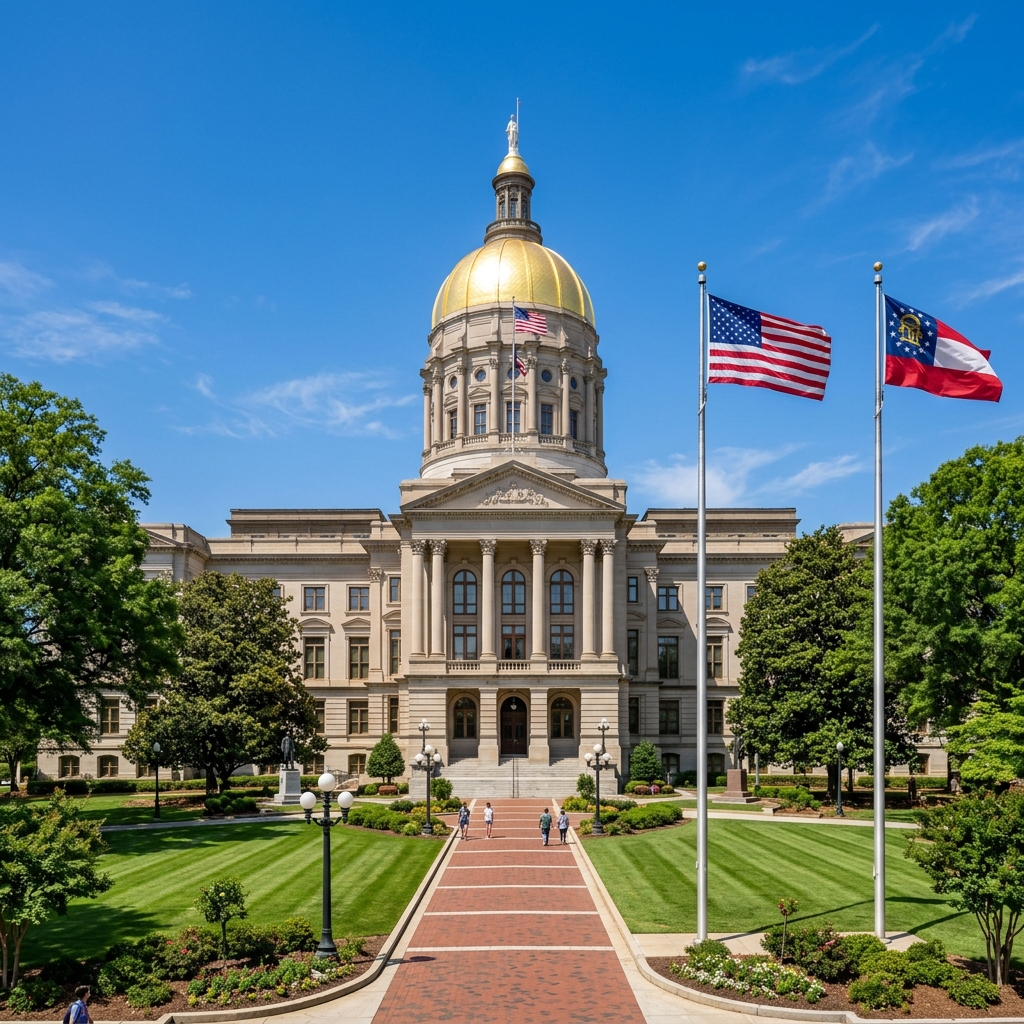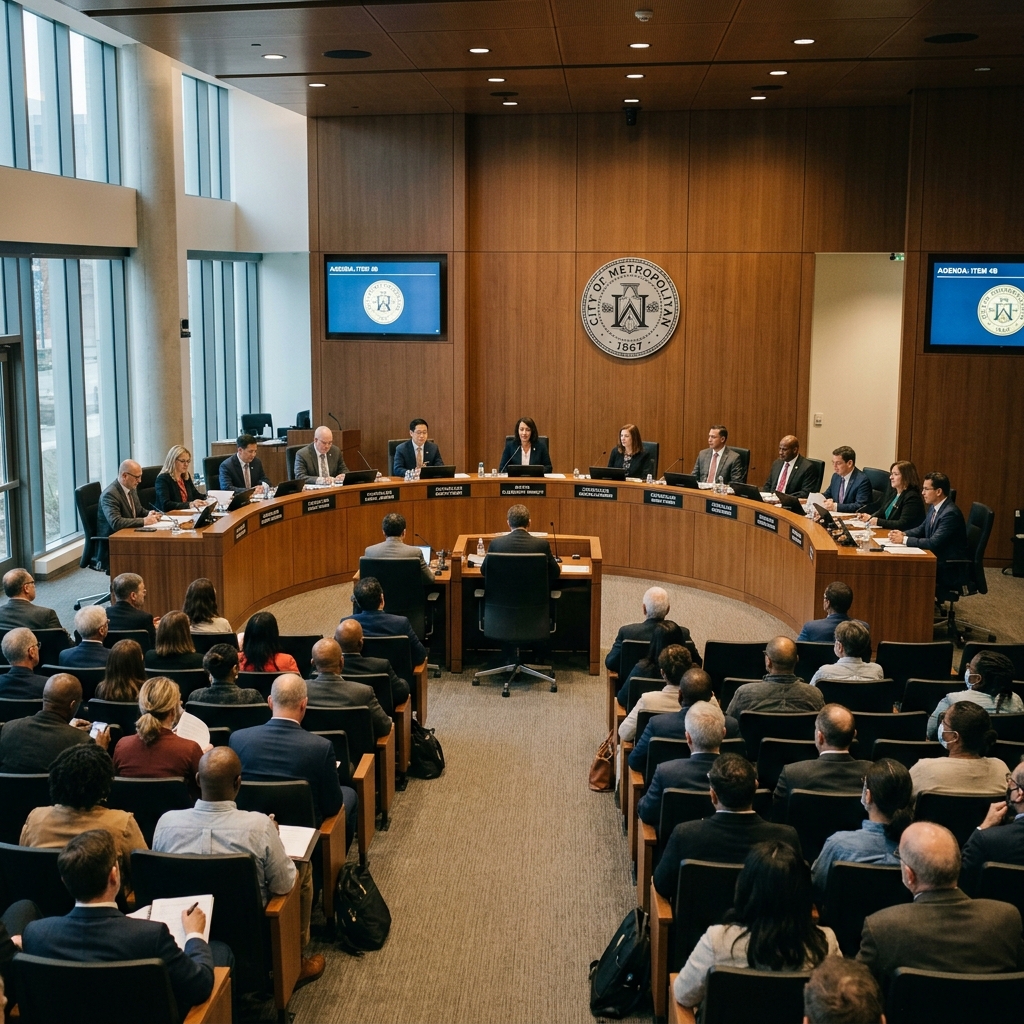

Georgia voters turned out Tuesday for the state’s General Primary and Nonpartisan Election, casting ballots in a slate of contests that will shape the political landscape heading into November’s general election.
With polls closing at 7 p.m. across the state, early returns made one thing clear: several marquee races would not be decided tonight.
A Crowded Ballot Sends Races to Runoff
Under Georgia law, primary candidates must clear a majority threshold — 50% plus one vote — to win outright. In a cycle defined by multi-candidate fields, a number of high-profile races fell short of that mark, setting the stage for a June 16 runoff election that will trim each contest to two finalists.
The dynamic played out in contests up and down the ballot:
- Congressional primaries in multiple districts saw three or more candidates split the vote, preventing any single contender from reaching the majority.
- State legislative races in competitive suburban districts also advanced to runoffs, reflecting the continued ideological sorting within both parties.
- Nonpartisan judicial seats drew unusually large fields, with several superior court races requiring a second round of voting.
Turnout and Early Voting
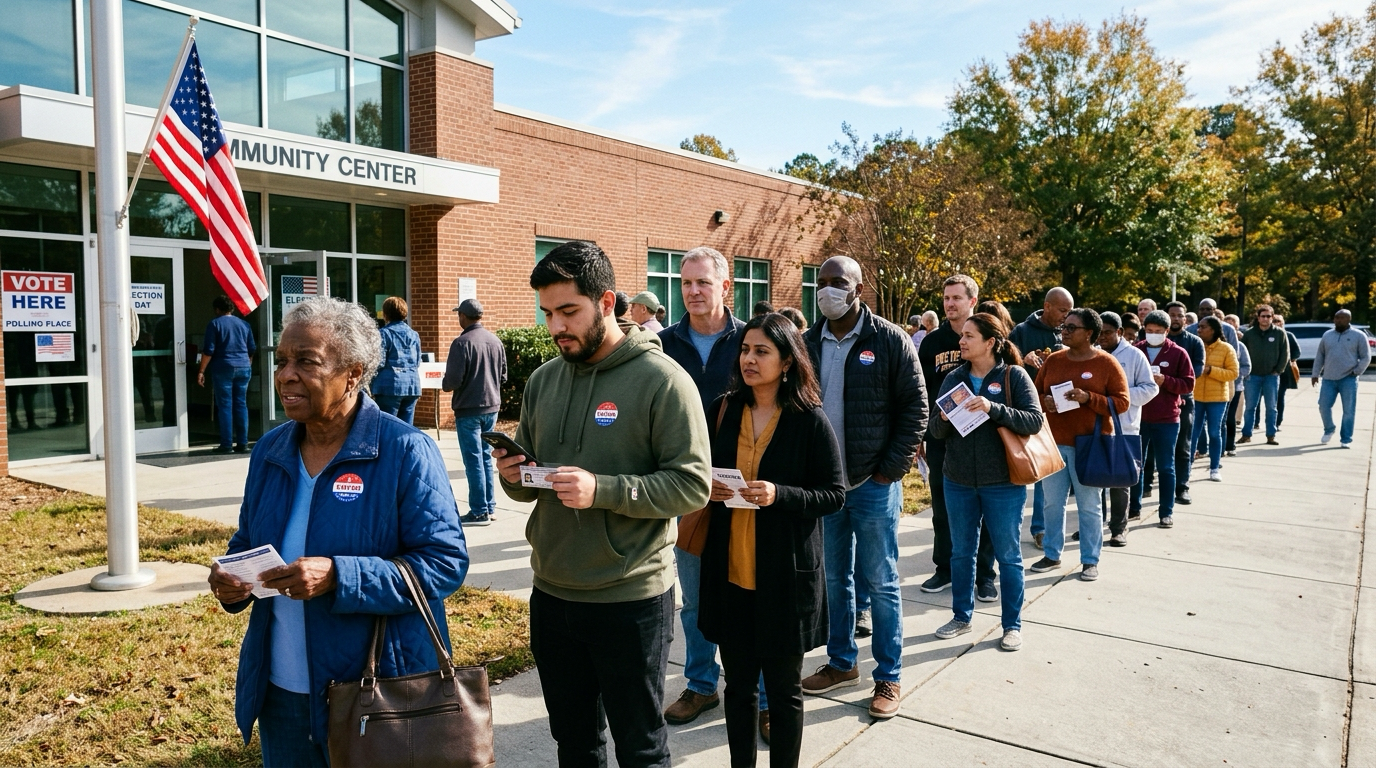
The secretary of state’s office reported robust early-voting numbers in the weeks leading up to Election Day. Metro Atlanta counties, in particular, saw lines that rivaled recent general-election cycles, a signal of heightened voter engagement in what is traditionally a lower-turnout affair.
“Primary elections in Georgia have taken on a new intensity,” one veteran poll worker in DeKalb County told WACN 21. “People are paying attention to every race on the ballot.”
Election officials attributed the elevated participation to several factors:
- Competitive open-seat races created by redistricting and retirements.
- Increased investment in voter outreach by both major parties.
- Heightened public interest in judicial and local government contests.
What the Runoff Means
The June 16 runoff will be the final stop before nominees are locked in for the November general election. Historically, runoff elections in Georgia draw significantly lower turnout than the initial primary, giving organized campaigns and motivated voter bases an outsized advantage.
Candidates who advanced to the runoff have roughly four weeks to consolidate support, raise additional funds and court voters who backed eliminated rivals — a compressed timeline that rewards ground-game discipline.
Looking Ahead to November
Tuesday’s results also offered an early read on the general-election battlefield. In several swing districts, the composition of the primary electorate hinted at which issues — from property taxes to public safety — are likely to dominate the fall campaign.
Both parties signaled they would invest heavily in Georgia through the cycle, underscoring the state’s continued status as one of the most closely contested political arenas in the country.
County election boards will certify the May 19 results in the coming days, and the official runoff calendar opens immediately afterward with qualifying and absentee-ballot distribution.
WACN 21 News will provide full runoff coverage, including candidate profiles and voting guides, in the weeks ahead.
Lena Bishop is a politics reporter for WACN 21 News covering Georgia elections and state government. Contact her at lbishop@wacn21.com.