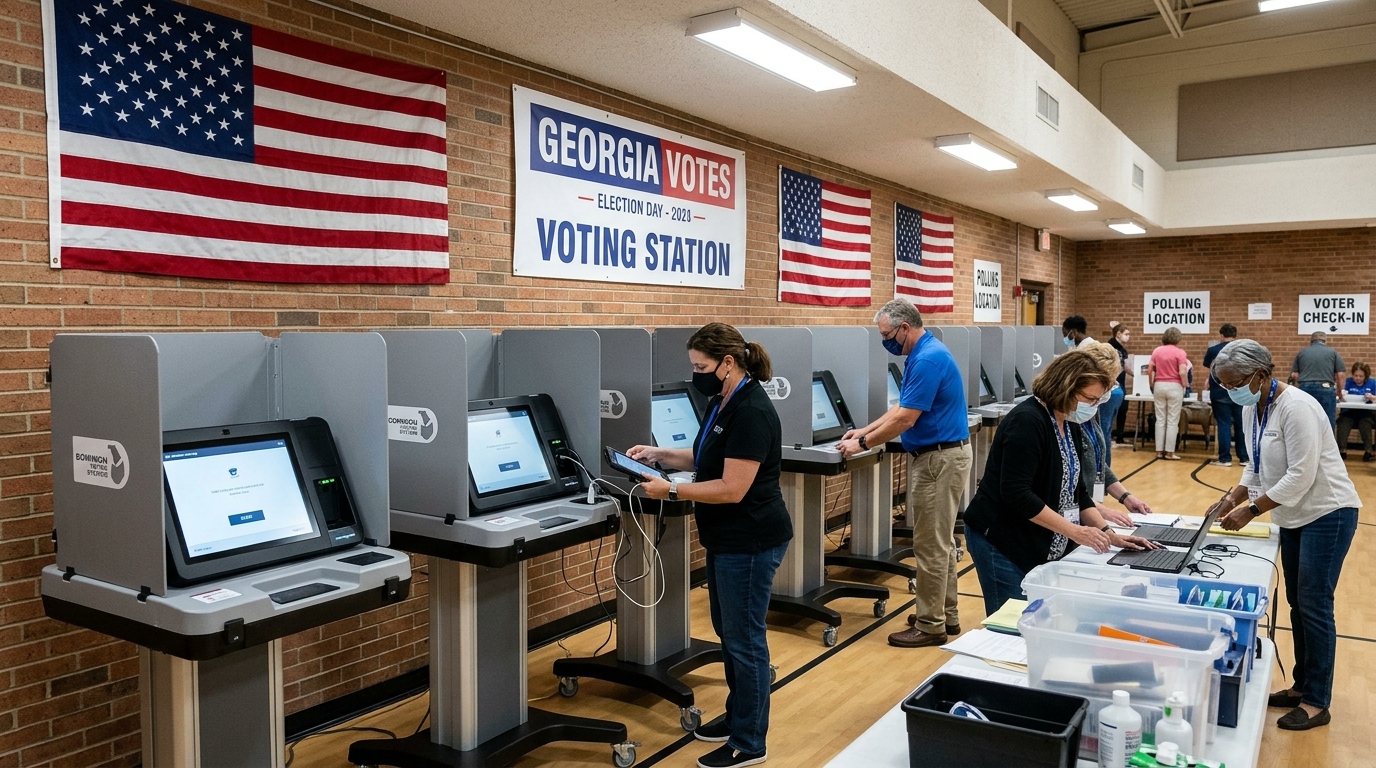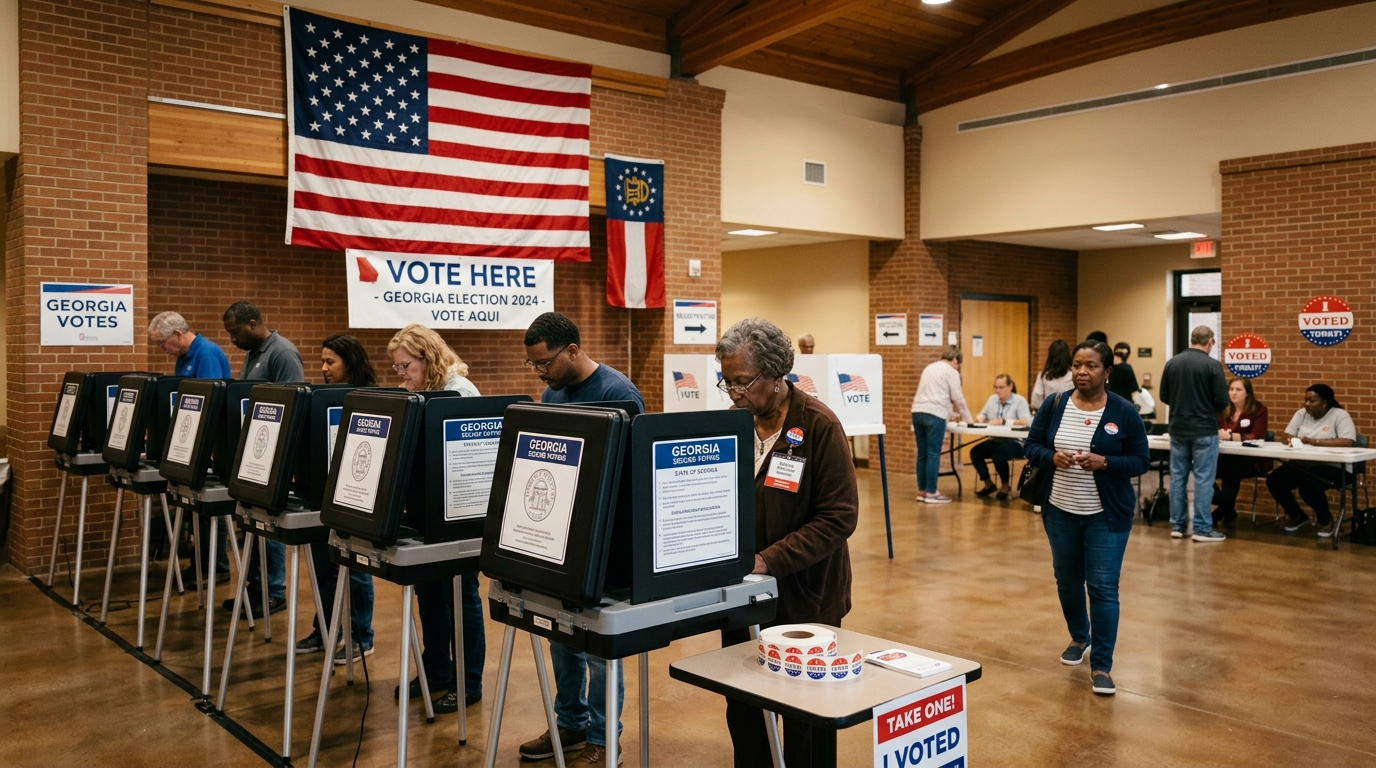

When Georgia voters head to the polls this November, they will find more than candidate names waiting for them. Three proposed constitutional amendments — referred by the General Assembly during a legislative session that wrapped up on April 2 — will appear on the ballot, asking Georgians to weigh in on questions that could reshape elements of state governance for years to come.
The proposed amendments span a range of policy areas and represent the culmination of months of committee work, floor debate, and bipartisan negotiation under the Gold Dome.
How Constitutional Amendments Reach the Ballot
Under Georgia law, proposed amendments to the state constitution must be approved by a two-thirds vote in both chambers of the General Assembly. Unlike standard legislation, they do not require the governor’s signature — they go directly to voters for ratification.
A simple majority of those voting on each question is sufficient for an amendment to pass. If ratified, the changes take effect on the date specified in the resolution or, if none is stated, on January 1 of the following year.
All three measures cleared the required supermajority thresholds during the 2026 session.
What’s on the Ballot
The full text of each amendment and its ballot language will be finalized by the Secretary of State’s office in the months ahead. Constitutional amendment questions typically appear at the end of the ballot, after all candidate races, and voters may choose to vote on some amendments while skipping others.
Advocacy groups on both sides of each measure are expected to launch public-information campaigns over the summer and fall, and county boards of elections will include explanatory summaries in voter guides distributed ahead of the general election.
A Packed Election Year
The amendments land on a ballot that is already shaping up to be one of the most consequential in recent Georgia history. The governor’s race, multiple legislative contests, and a slate of judicial elections will compete for voter attention.
Adding another layer to the election landscape, Governor Brian Kemp in late June signed legislation locking in the state’s QR code-based voting machines for use in the November general election. The bill ended a protracted debate over whether Georgia should transition to a different ballot-marking system and gave election administrators certainty as they prepare for what is expected to be high turnout.
Kemp also signed SB 3EX during the same period, further codifying election procedures ahead of the fall cycle.
What Advocacy Groups Are Saying
Good-government organizations have urged voters to study the amendment language carefully, noting that constitutional changes are far more difficult to reverse than ordinary statutes.
“Statutory law can be changed by the next legislature. A constitutional amendment requires another vote of the people,” one policy analyst noted. “That’s why it’s so important that voters understand exactly what they’re approving.”
Civil rights groups, meanwhile, are pressing for robust voter education efforts, particularly in communities where ballot-question awareness has historically been low. Turnout on amendment questions often lags behind turnout for top-of-ticket races, and advocates say that gap can distort outcomes.
The Road Ahead
County election boards will begin printing ballots in late summer, and early voting is expected to open in mid-October. The Secretary of State’s office has said it will publish the final ballot language and explanatory materials by August.
For voters who want to track the amendments, the General Assembly’s website maintains the full text of each resolution, including committee reports and floor-vote tallies from the 2026 session.
With three amendments, a packed candidate slate, and newly settled voting-equipment rules, Georgia’s November ballot is poised to test both voter engagement and the state’s election infrastructure.
Marcus James covers breaking news and politics for WACN 21 News. Reach him at mjames@wacn21.com.