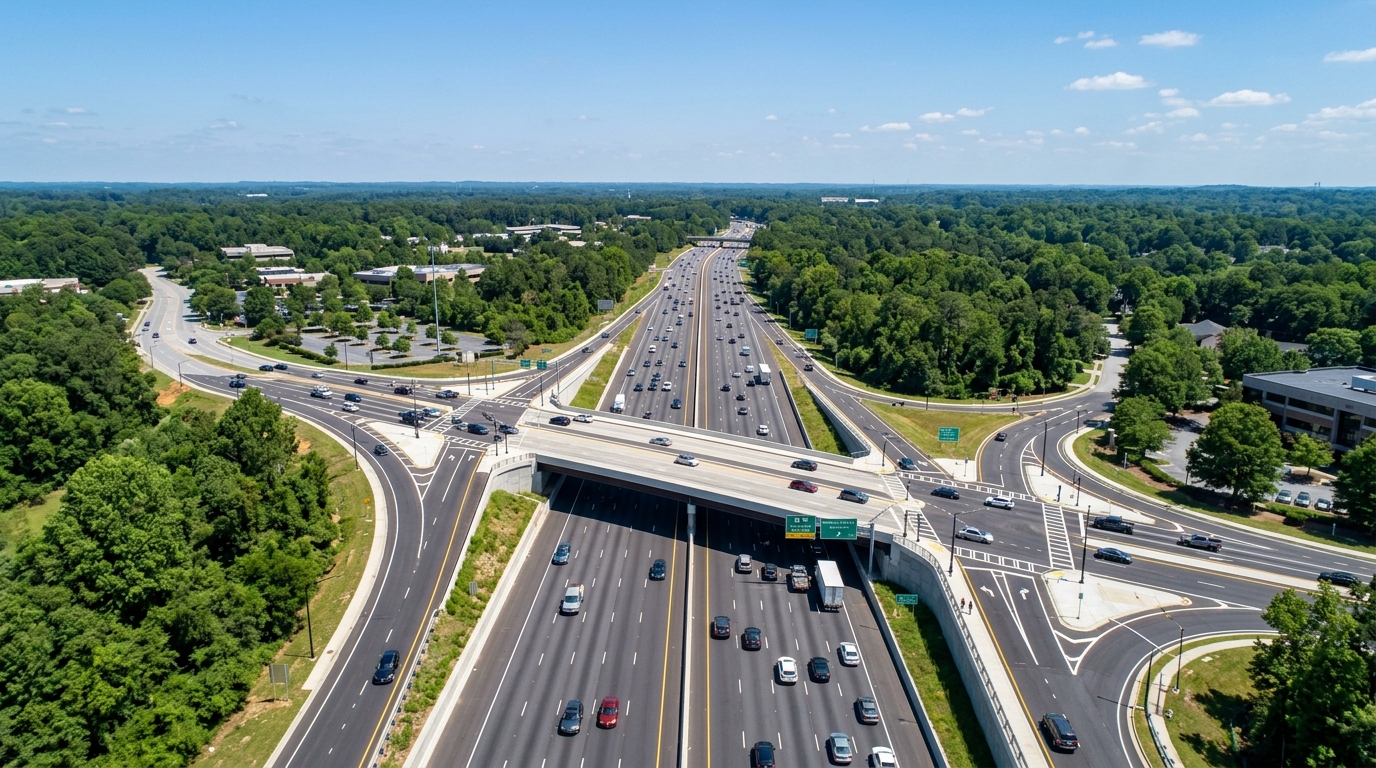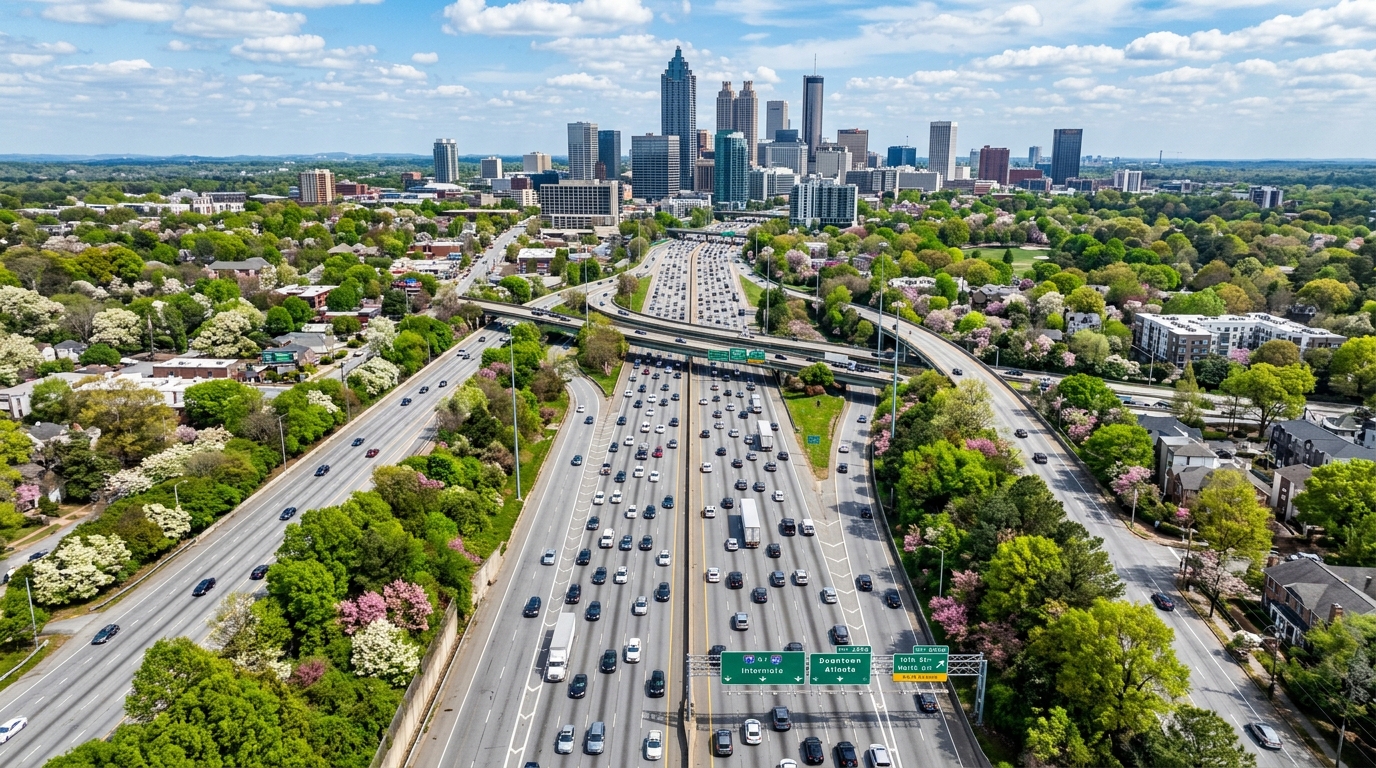

Georgia transportation officials have given the official green light to the $10.8 billion SR 400 Express Lanes project, a sweeping 16-mile infrastructure initiative that will reshape one of metro Atlanta’s most congested highway corridors and rank among the largest single highway investments in state history.
The Georgia Department of Transportation confirmed the project’s approval this week, setting the stage for a groundbreaking expected in late April. The express lanes will stretch along State Route 400 through North Fulton and Forsyth counties, adding dynamically priced managed lanes and dedicated toll-free bus rapid transit (BRT) access to a corridor that carries more than 200,000 vehicles per day.
What the Project Includes
The SR 400 Express Lanes initiative is far more than a simple road widening. Here’s what drivers and commuters can expect:
- Two dynamically priced express lanes in each direction, running alongside the existing general-purpose lanes. Tolls will fluctuate based on real-time traffic conditions, with higher prices during peak congestion and lower rates during off-peak hours.
- Toll-free bus rapid transit access. Transit buses operating in the express lanes will not be subject to tolling, giving MARTA and regional transit providers a dedicated high-speed corridor between North Fulton and downtown Atlanta.
- Reconstructed interchanges at several key junctions, including McFarland Road, Windward Parkway, and GA-20, designed to reduce bottlenecks and improve safety.
- Improved noise barriers, drainage infrastructure, and pedestrian bridges along the corridor.
- Intelligent transportation systems including real-time traffic monitoring, dynamic message signs, and integrated incident management.
Construction is expected to be completed by 2031, with phased openings possible along portions of the corridor before then.
Why SR 400 Was Selected
The SR 400 corridor has consistently ranked among the most congested stretches of highway in Georgia. Commuters traveling between the growing suburban communities of Alpharetta, Milton, and Cumming and employment centers in Midtown and Buckhead regularly face bumper-to-bumper conditions during both morning and evening rush hours.
The corridor’s traffic volumes have grown steadily over the past two decades, driven by rapid residential and commercial development in North Fulton and Forsyth counties. Population growth in Forsyth County alone has outpaced nearly every other county in Georgia, adding intense pressure to an already strained highway system.
Transportation planners have studied express lane options for SR 400 for more than a decade. The approved plan reflects input from thousands of public comments gathered during multiple rounds of community engagement, environmental review, and design refinement.
Funding and Financing
The $10.8 billion price tag will be funded through a combination of sources:
- Federal grants through the Infrastructure Investment and Jobs Act
- State transportation funds administered by GDOT
- Toll revenue bonds backed by projected express lane income
- Public-private partnership financing, with a private consortium selected to design, build, and operate the managed lanes under a long-term concession agreement
State officials have emphasized that existing general-purpose lanes on SR 400 will remain toll-free. The express lanes will provide a premium option for drivers willing to pay for a faster, more reliable trip — while the BRT component offers a no-cost alternative for transit riders.
What Commuters Should Expect During Construction
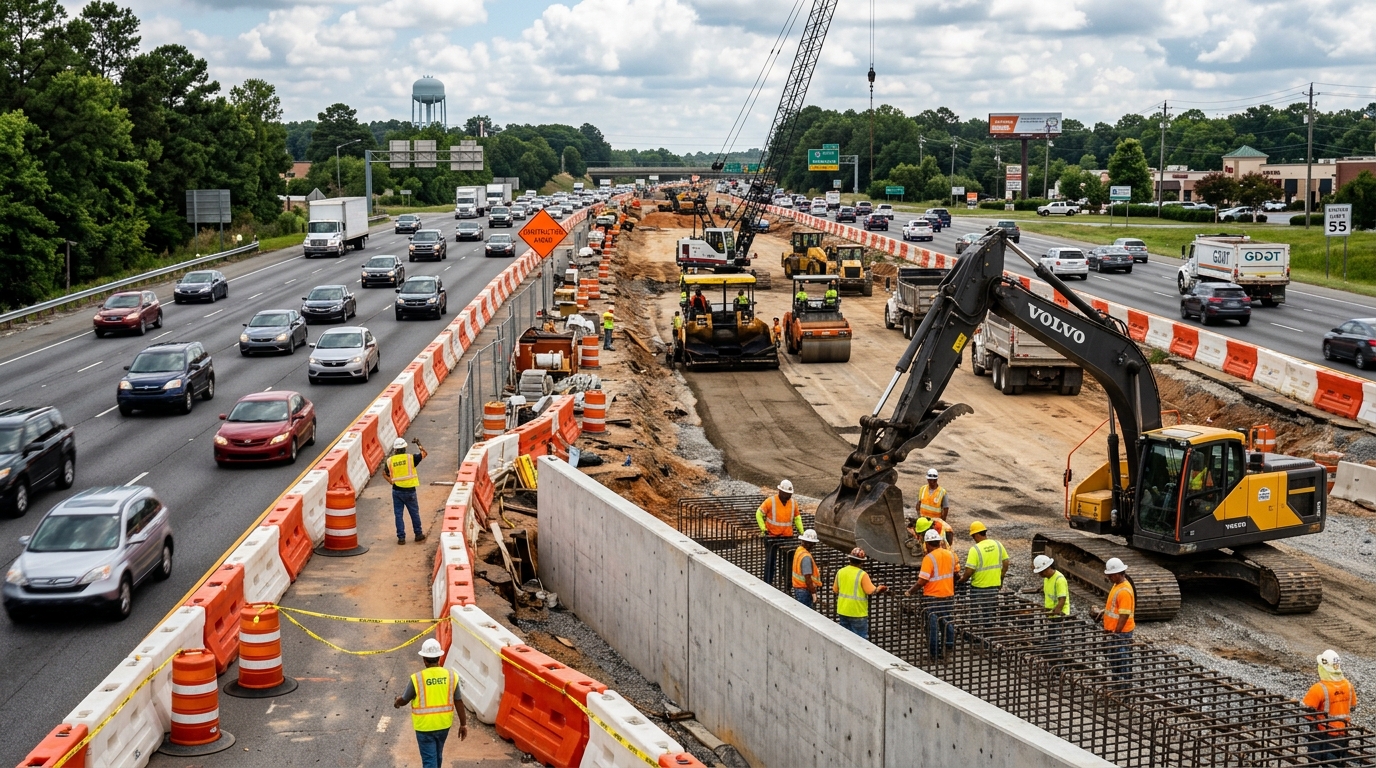
GDOT has acknowledged that the five-year construction timeline will bring significant traffic disruptions along the corridor. The department plans to:
- Maintain all existing travel lanes during peak commuting hours whenever possible
- Conduct major construction activities during overnight and weekend windows
- Provide regular construction updates through a dedicated project website and mobile alerts
- Coordinate with local governments and school districts on detour routes and schedule impacts
Commuters are encouraged to plan for longer travel times, consider alternate routes, and explore transit options during the construction period. WACN 21 will provide ongoing traffic updates as the project progresses.
A Transformative Moment for North Georgia
The SR 400 Express Lanes project arrives at a pivotal time for the region. With metro Atlanta’s population projected to exceed 7 million by 2030, investments in highway capacity and transit connectivity are increasingly viewed as essential to the region’s economic competitiveness and quality of life.
The project’s BRT component is particularly significant — it represents a step toward a more integrated regional transit network, connecting suburban communities to the broader MARTA system without requiring riders to navigate congested general-purpose lanes.
Groundbreaking for the SR 400 Express Lanes project is expected in late April 2026, with completion targeted for 2031.
Elena Vasquez reports on City Hall and transportation for WACN 21 News. Reach her at evasquez@wacn21.com.